EST · MMXVI — CAPTIVE-BRED IGUANIDS & LIZARDS

Specialist breeding of rare iguanids and exotic lizards.

Ancient lineages, kept with devotion.

Legend Reptiles is a specialist reptile facility in the Netherlands, home to a diverse collection of rare iguanids and other exotic lizards bred with a strong focus on quality, genetics, and responsible husbandry.

10 yrsBreeding
IguanidsPrimary focus
AvailableOffspring
EUImmediate shipping
— WHAT WE WORK WITH

Iguanids, mostly.

Our collection centres on large-bodied iguanids — species that deserve thoughtful keepers and proper planning. Alongside them, we keep and produce a curated group of other lizards.

Every animal we place comes with its hatch record, pictures of parents, feeding history, and direct contact with us for as long as you keep it.

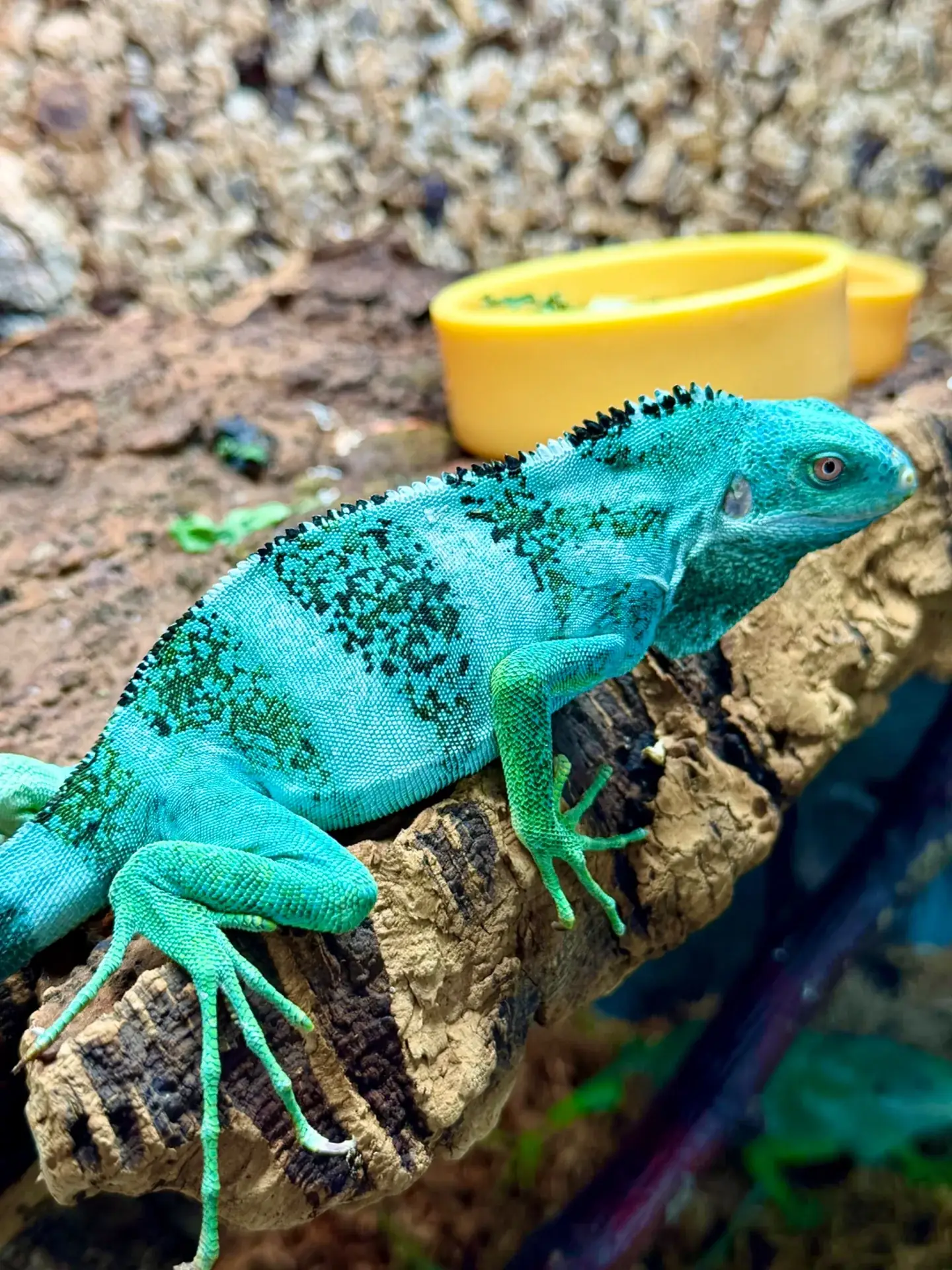
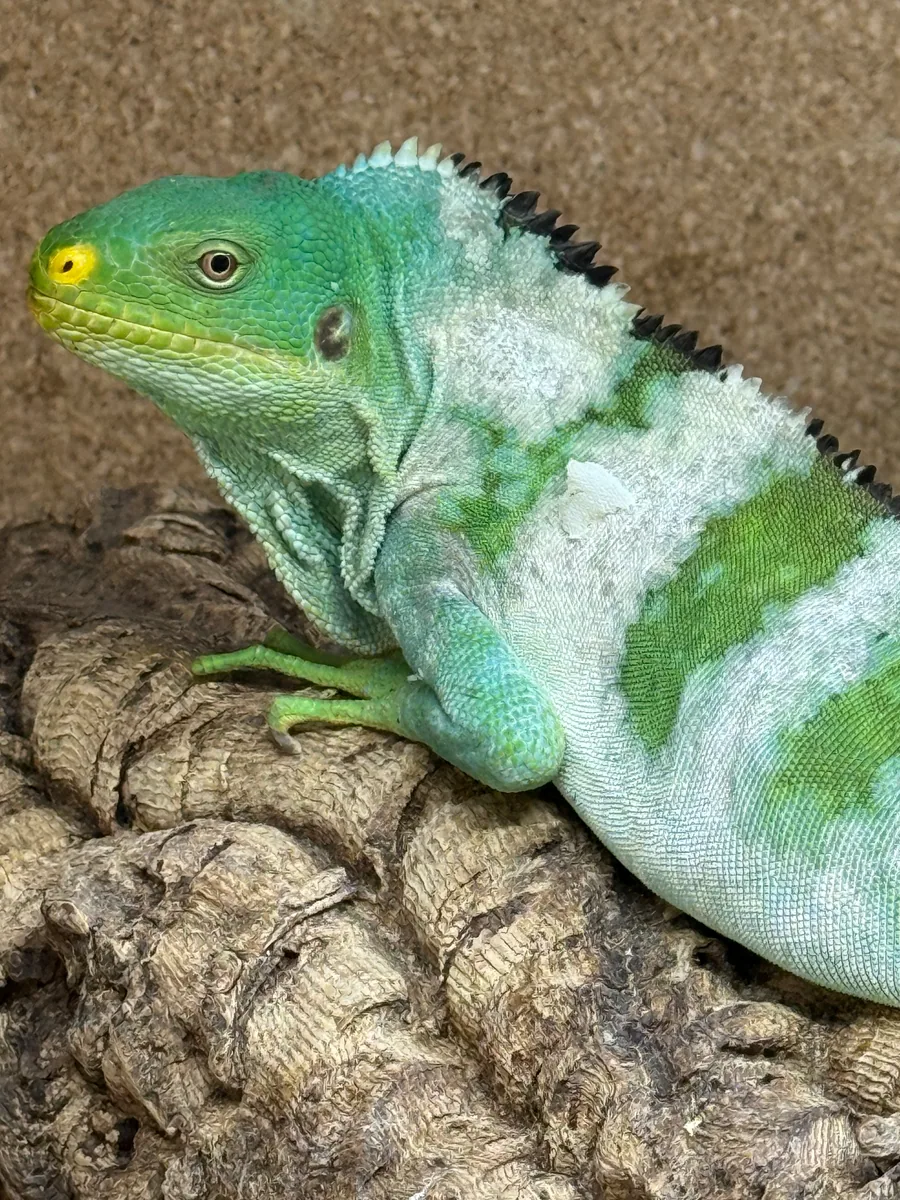
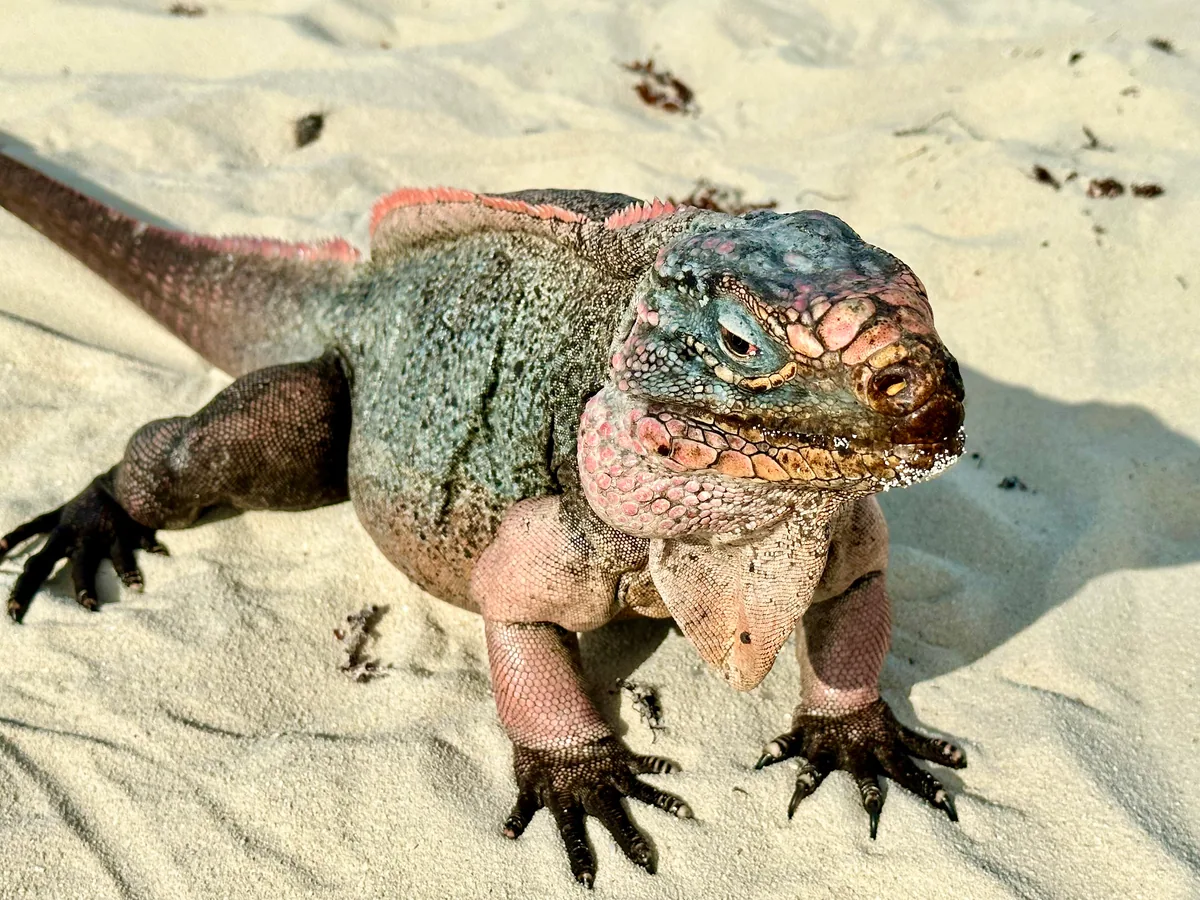
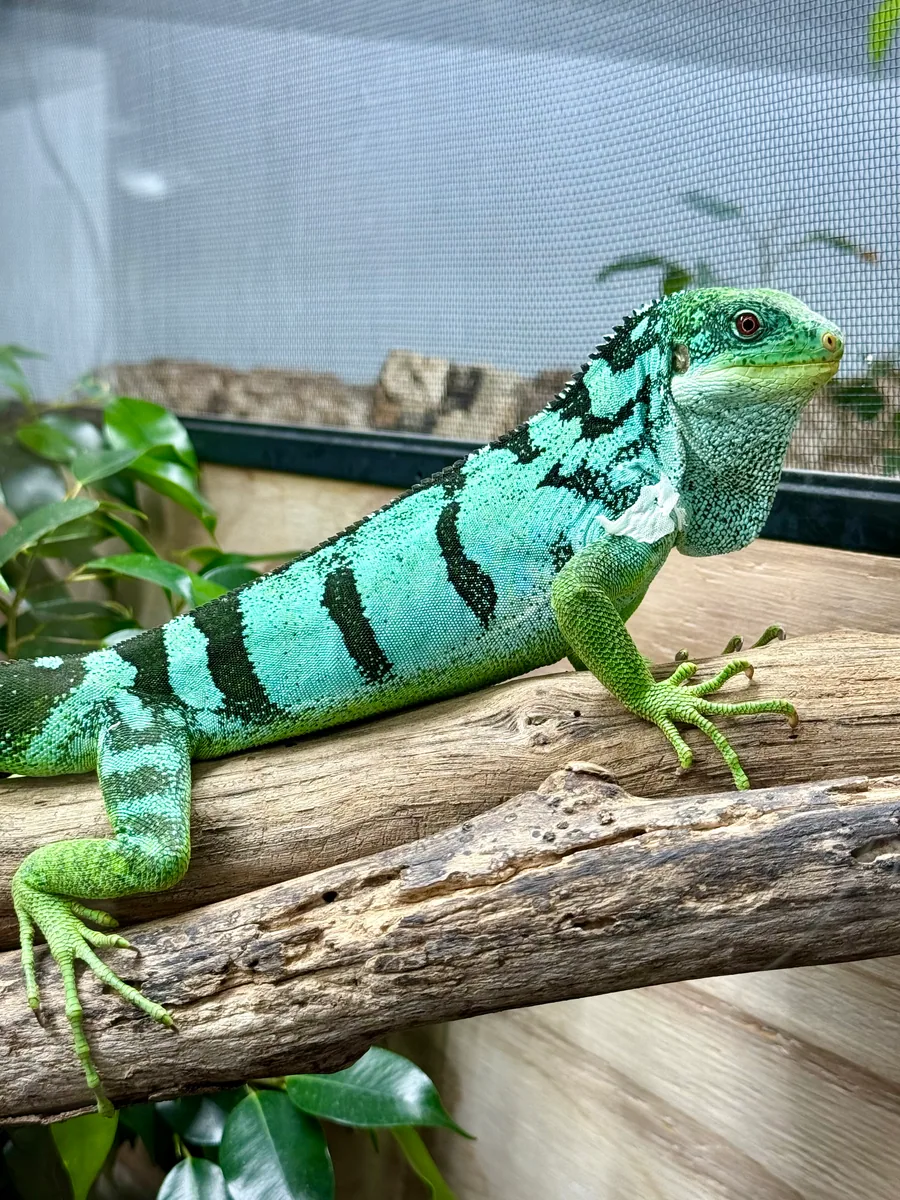
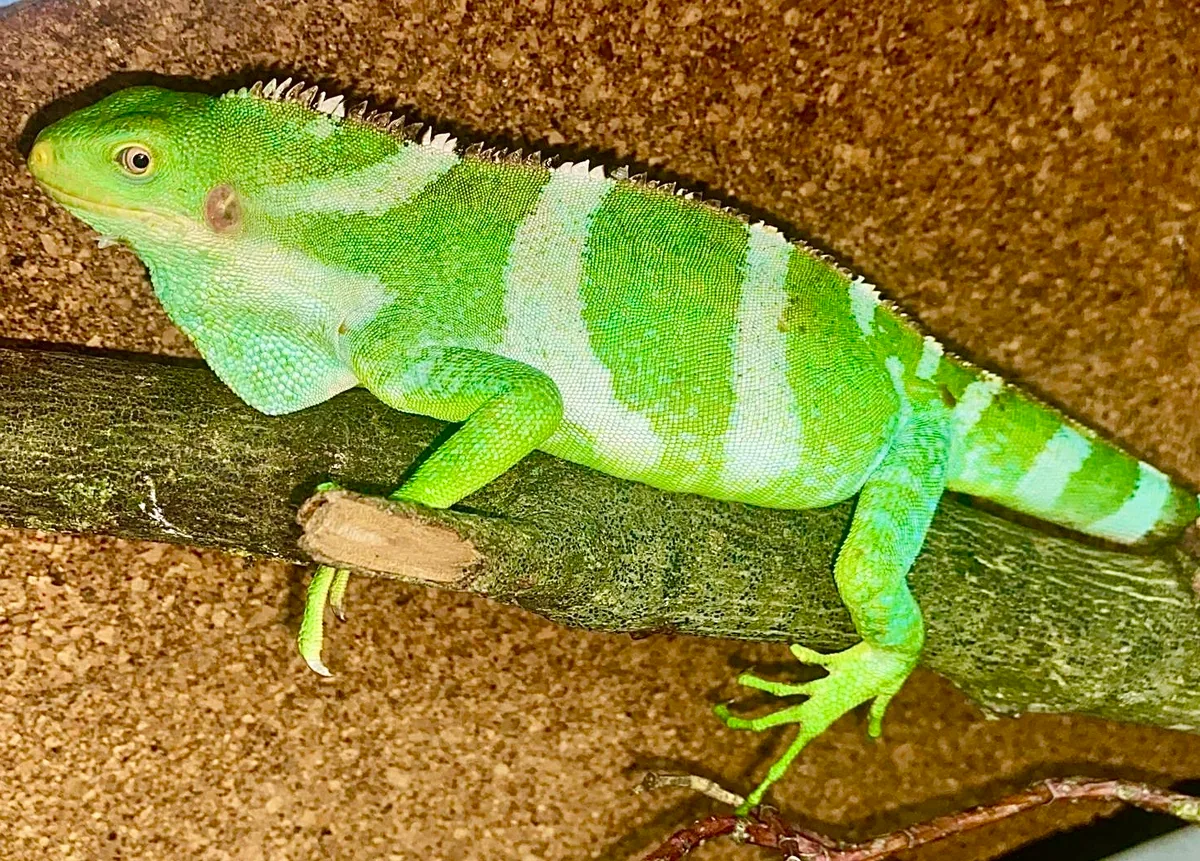
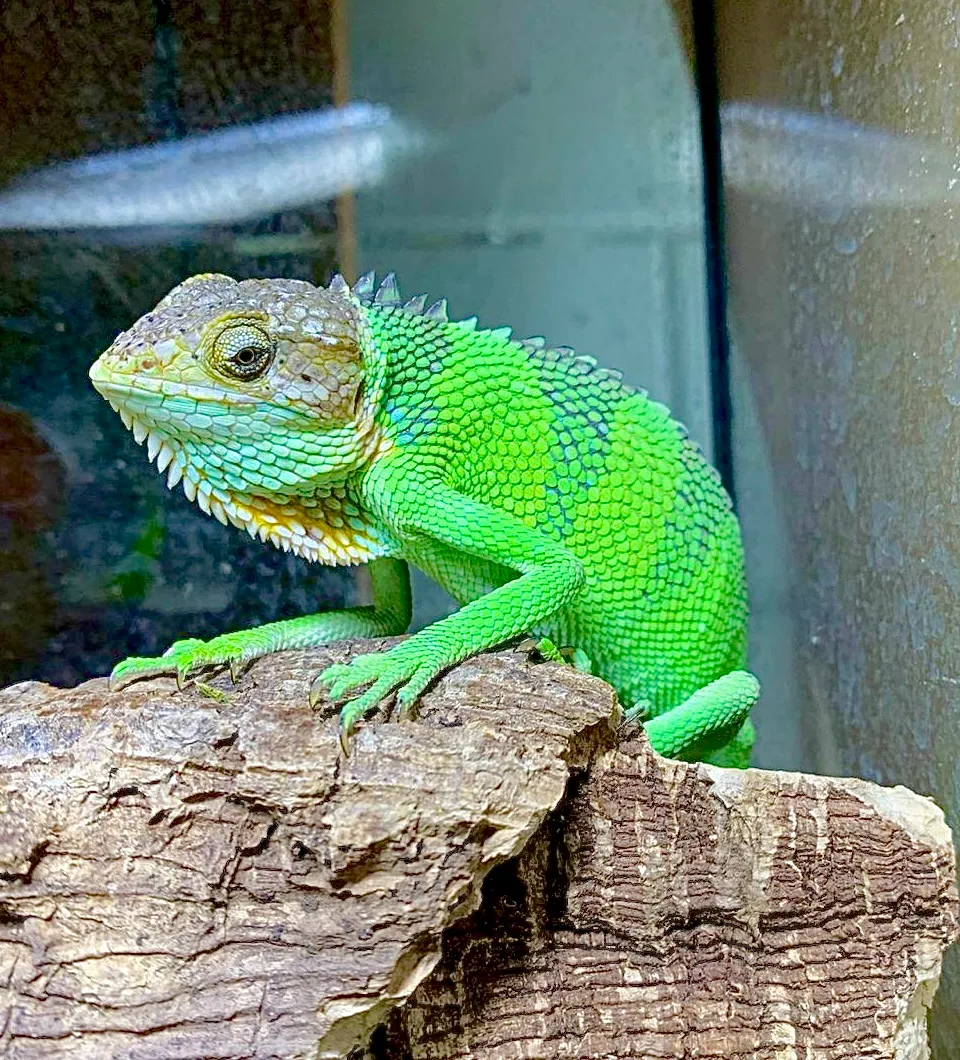
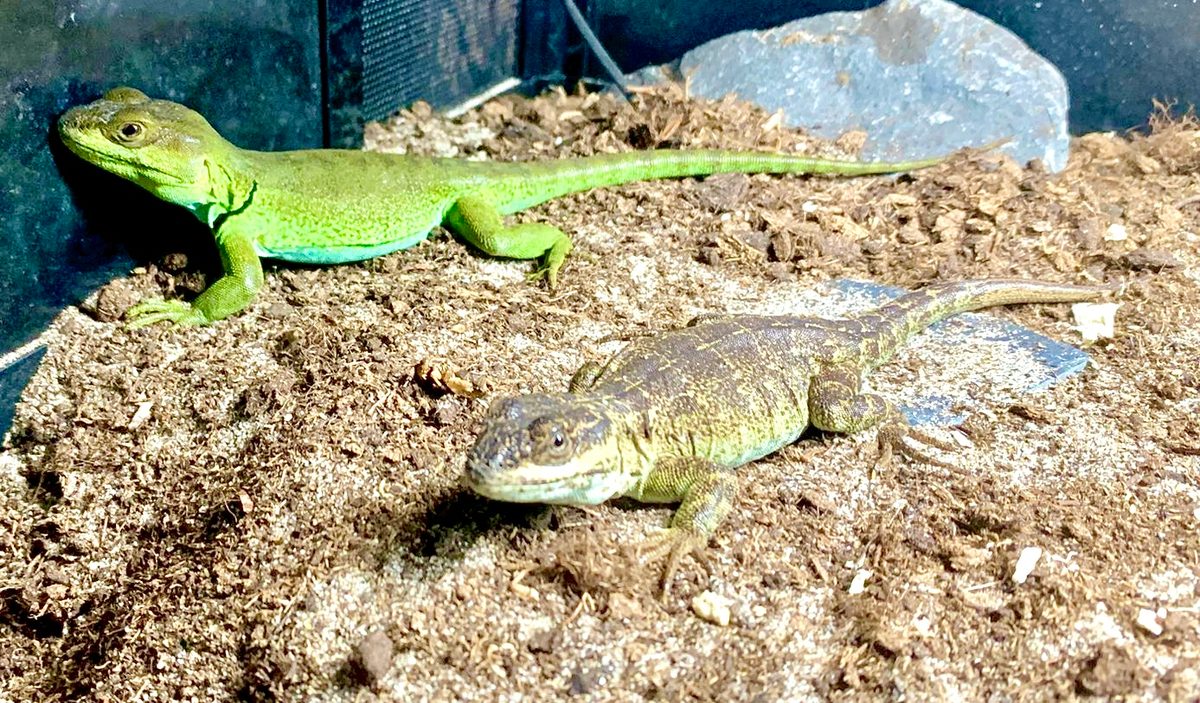
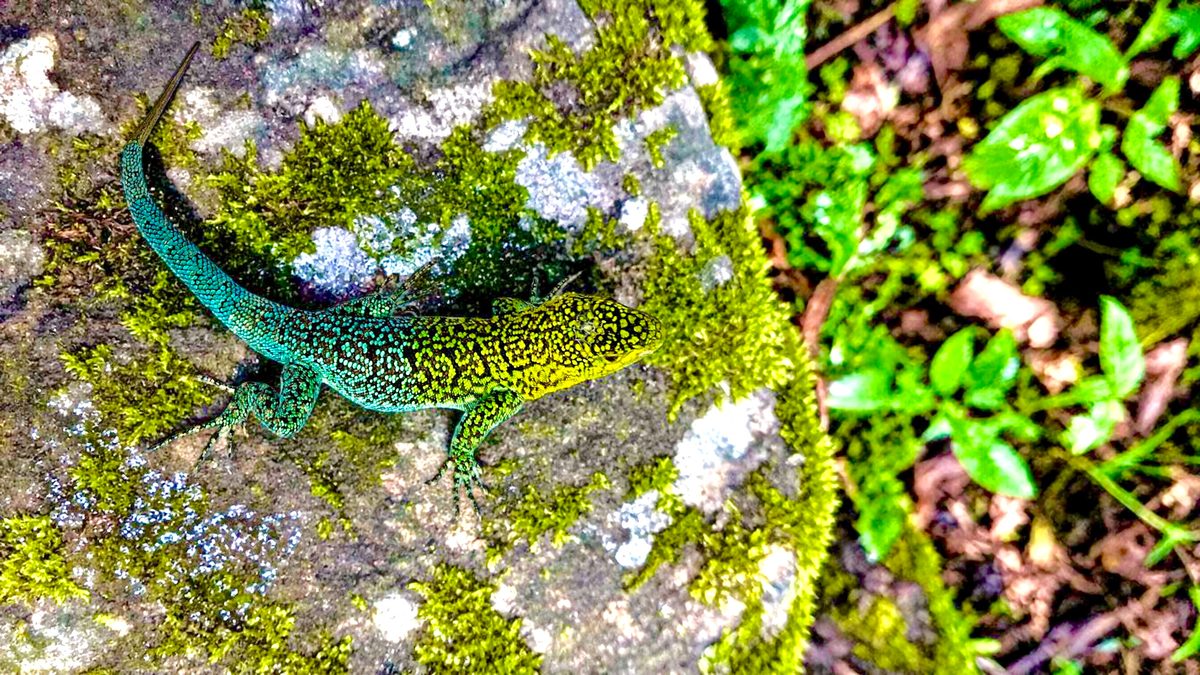
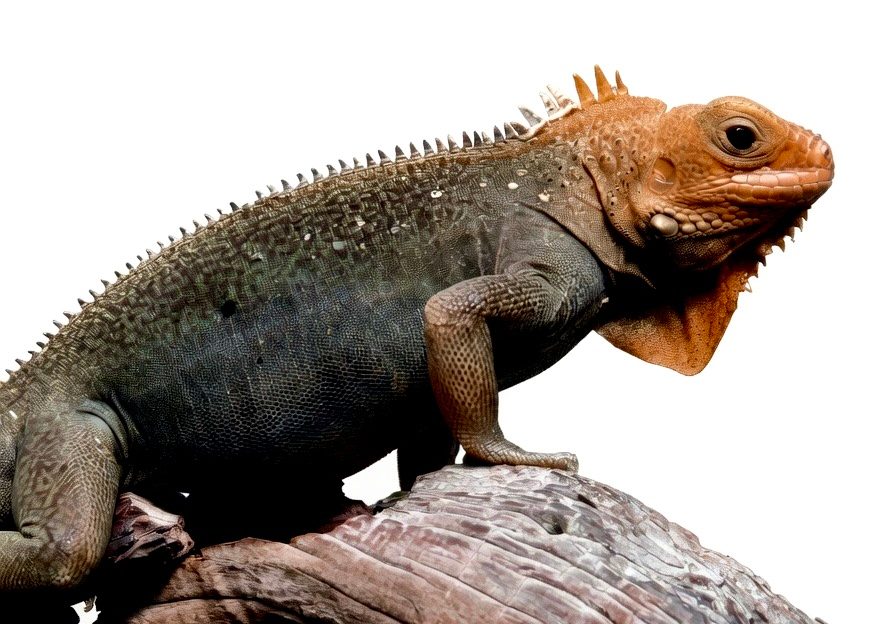
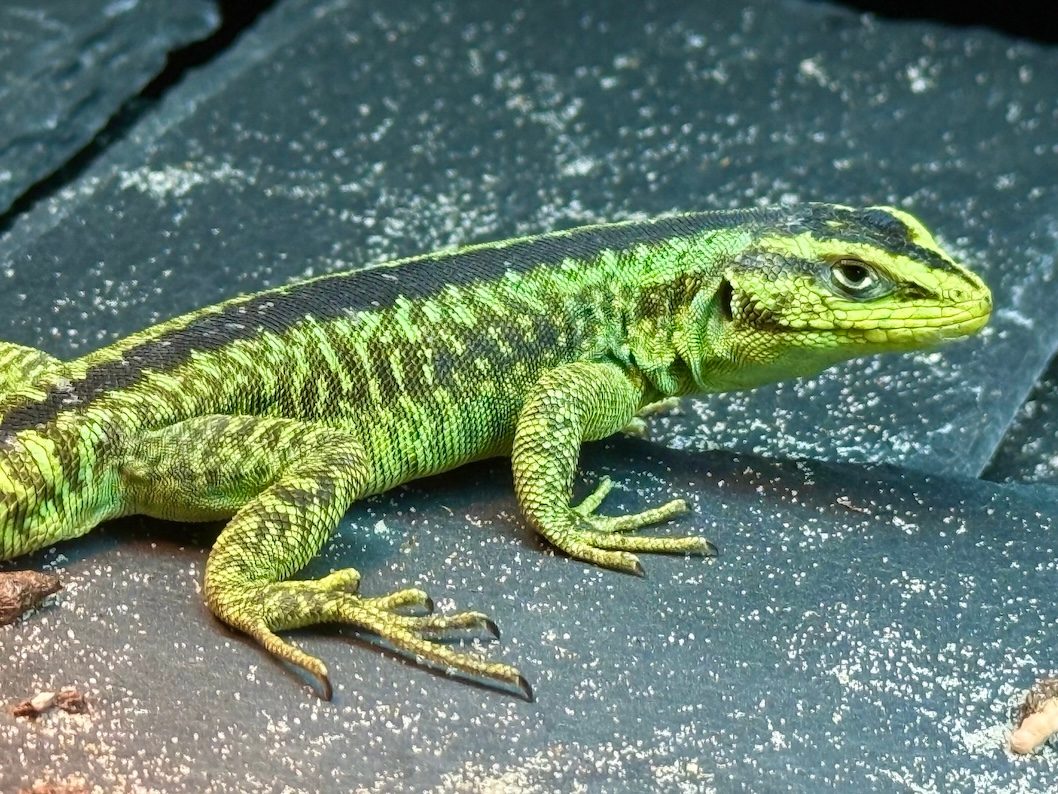
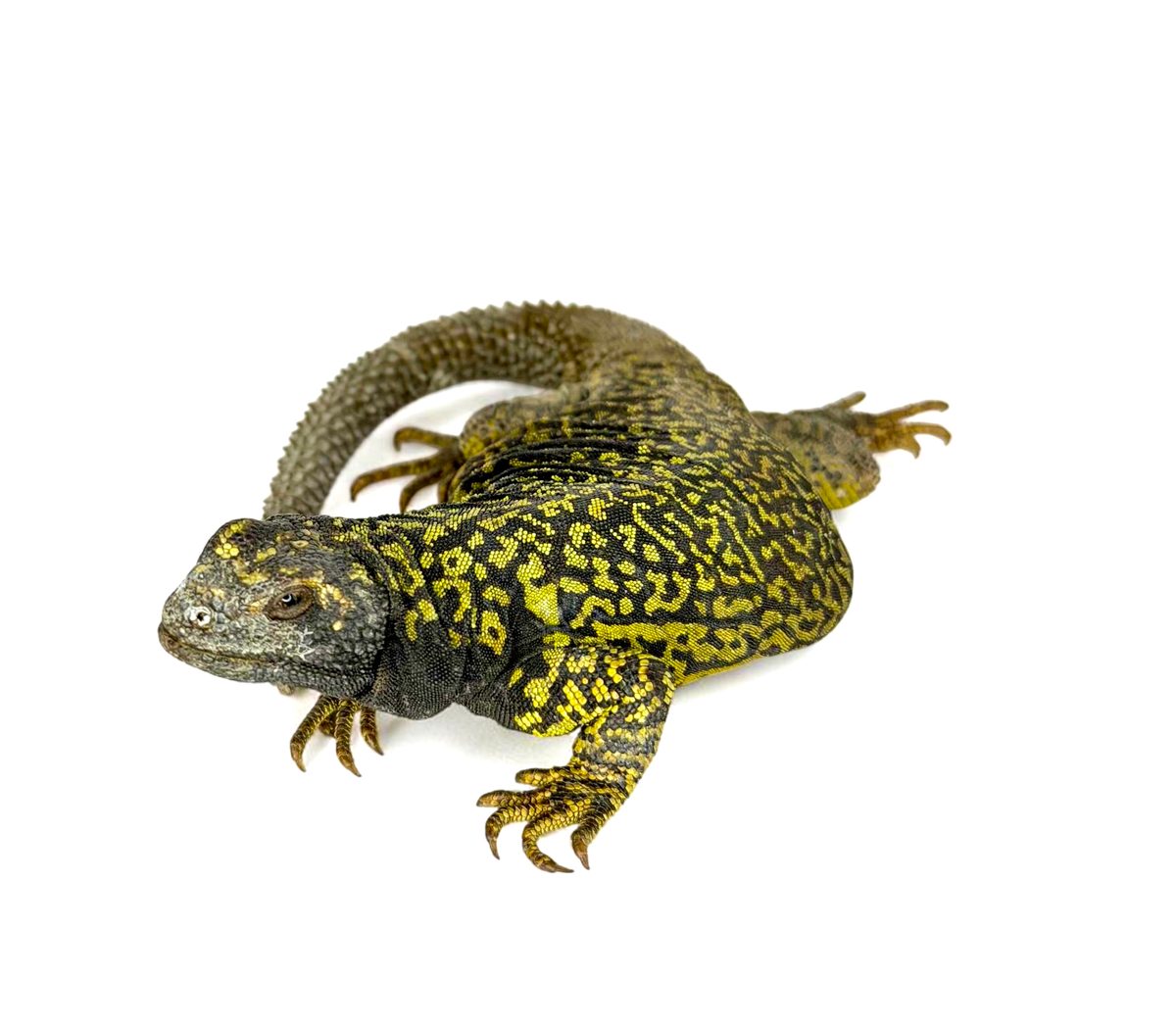
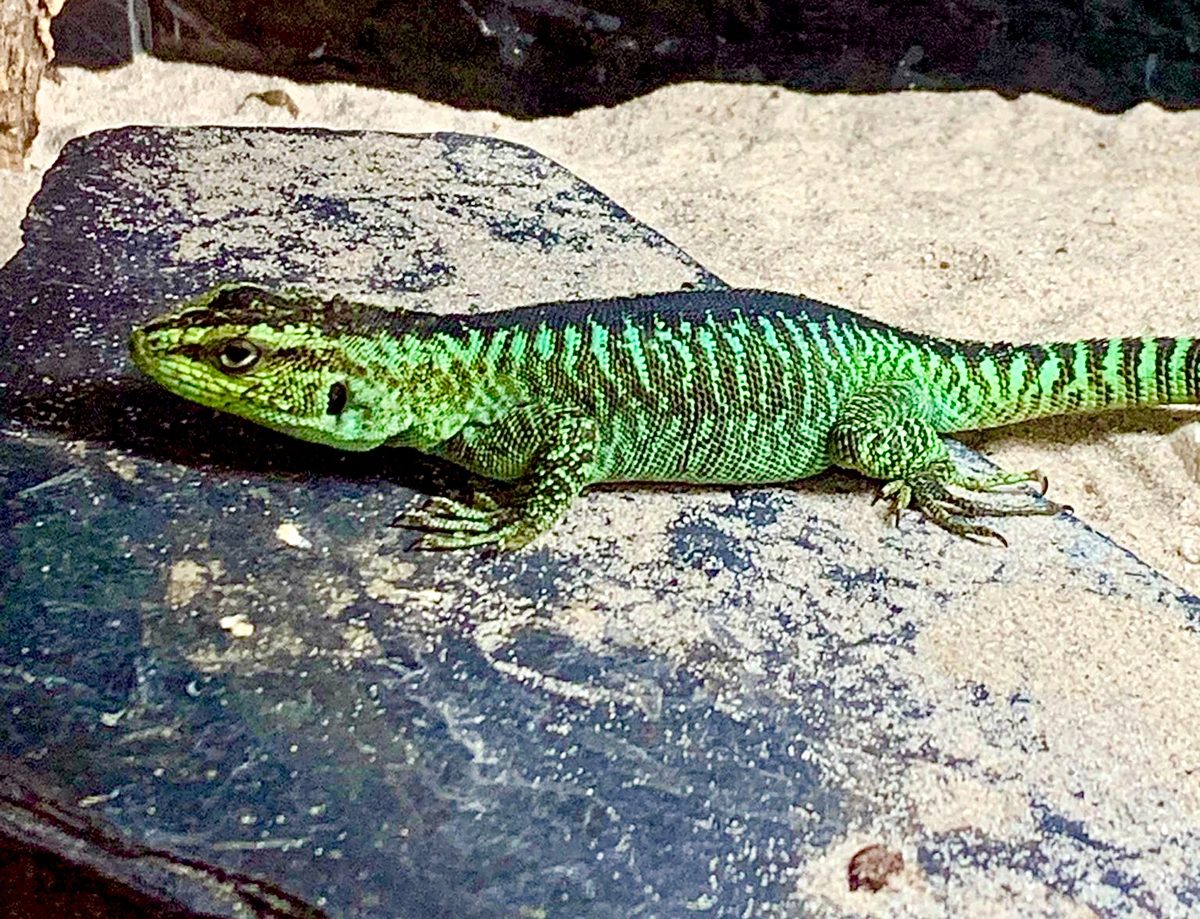
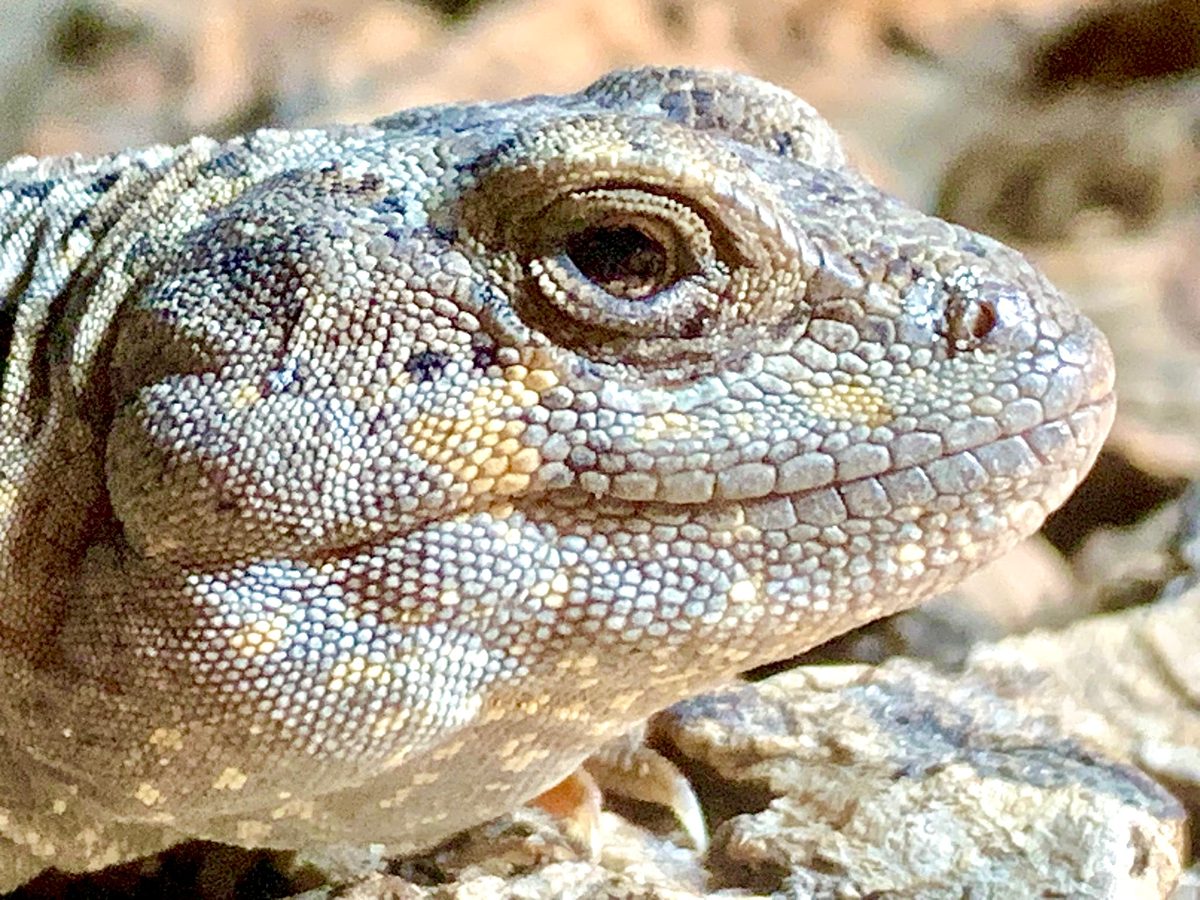
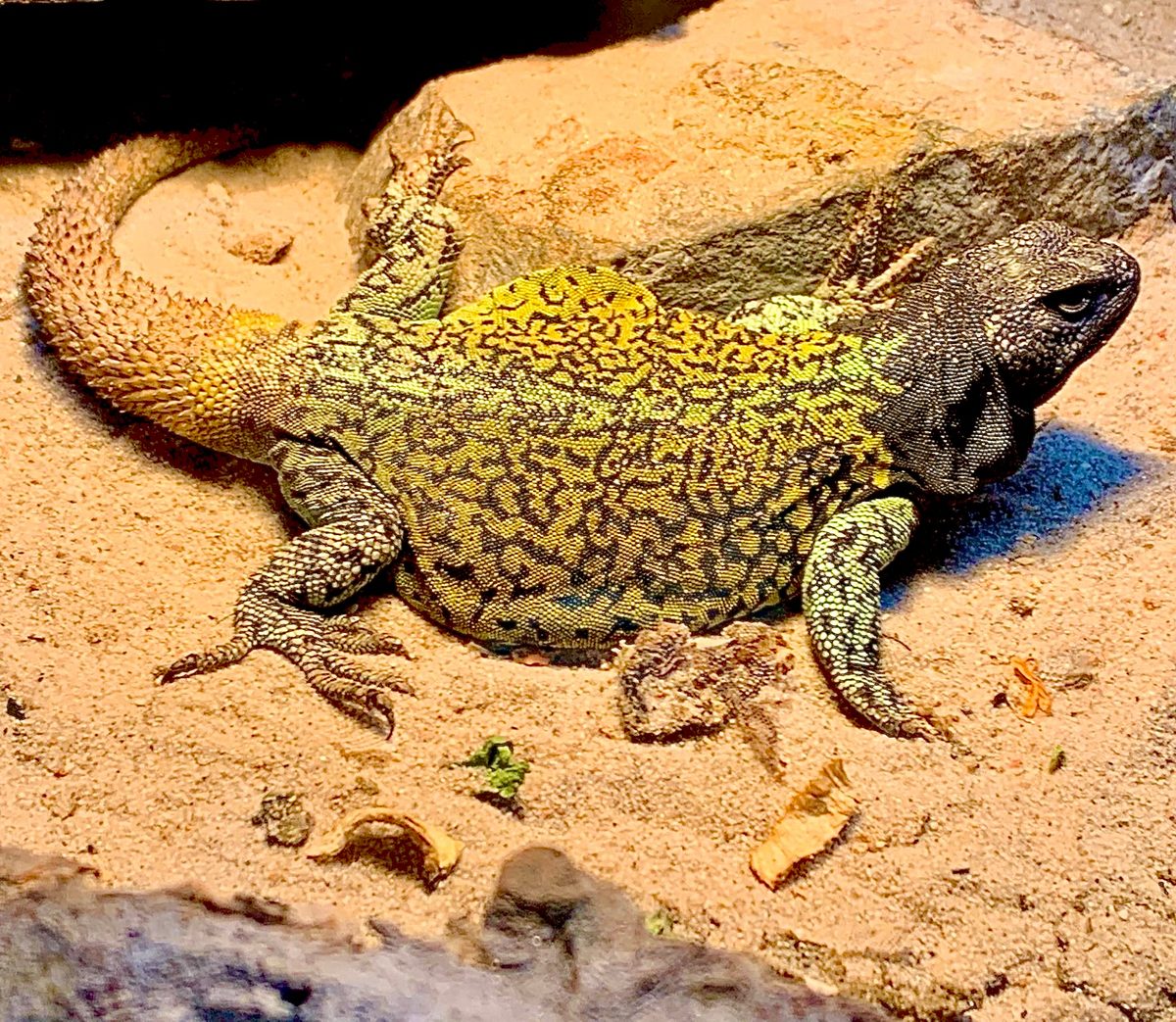
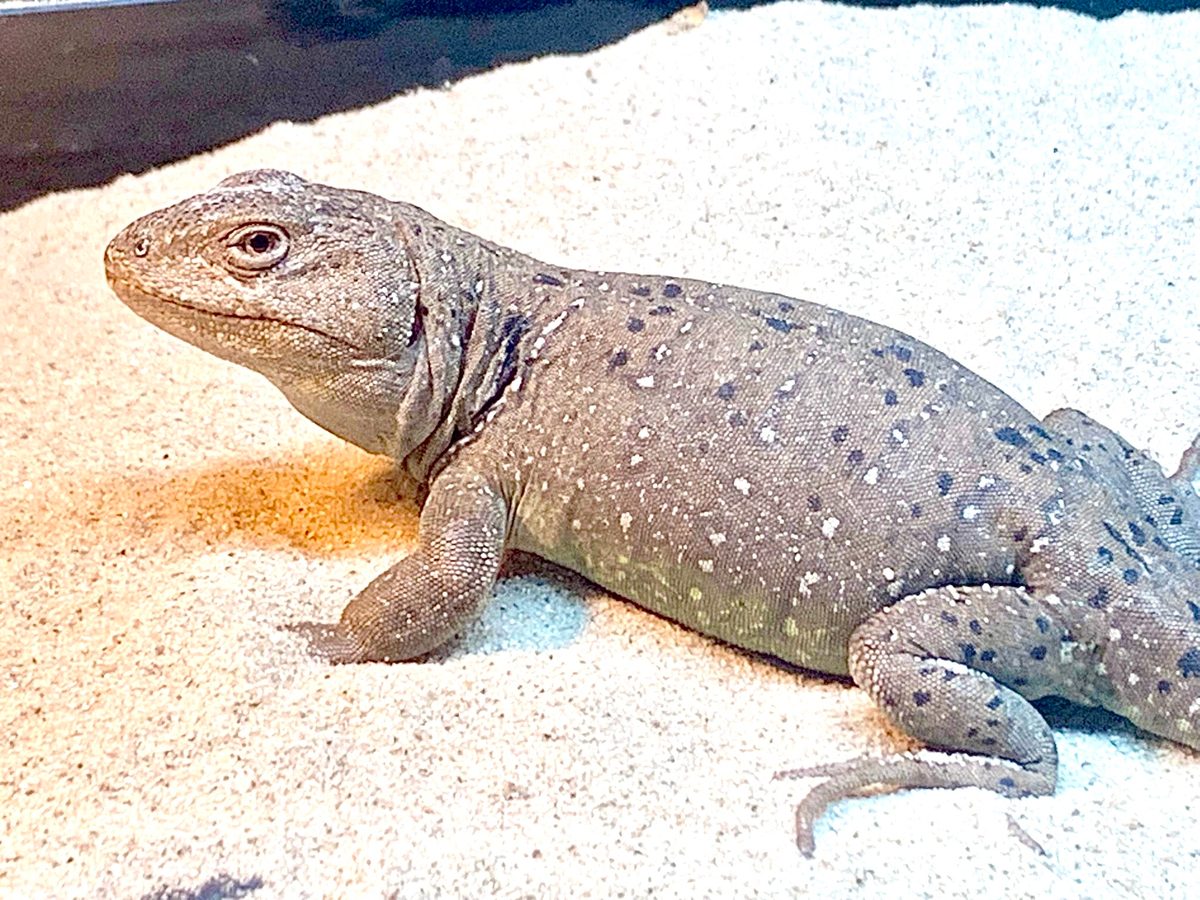
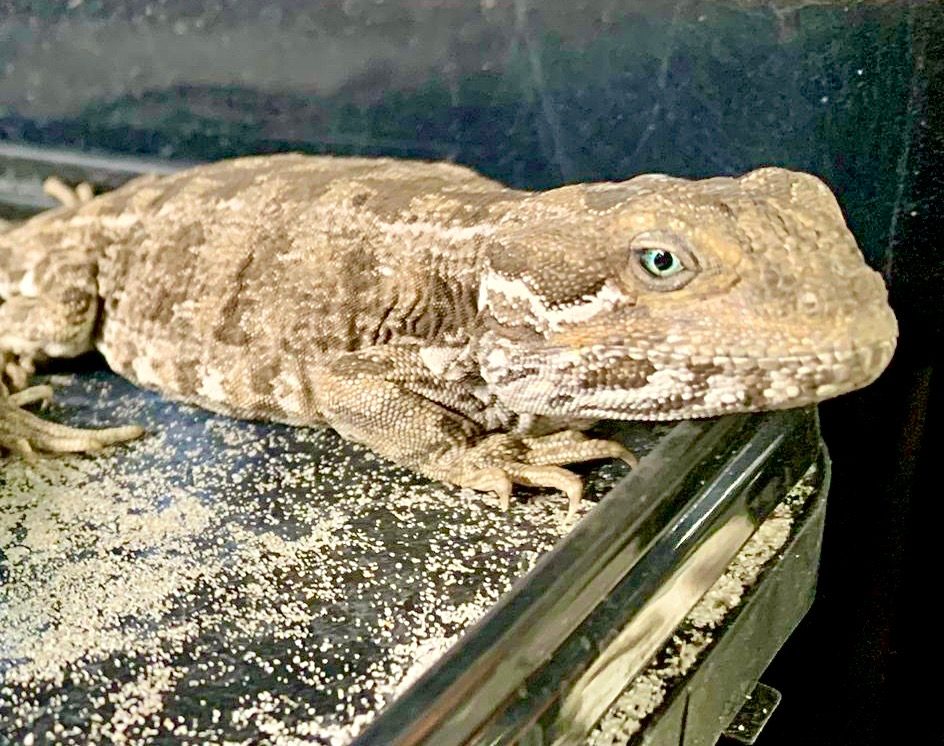
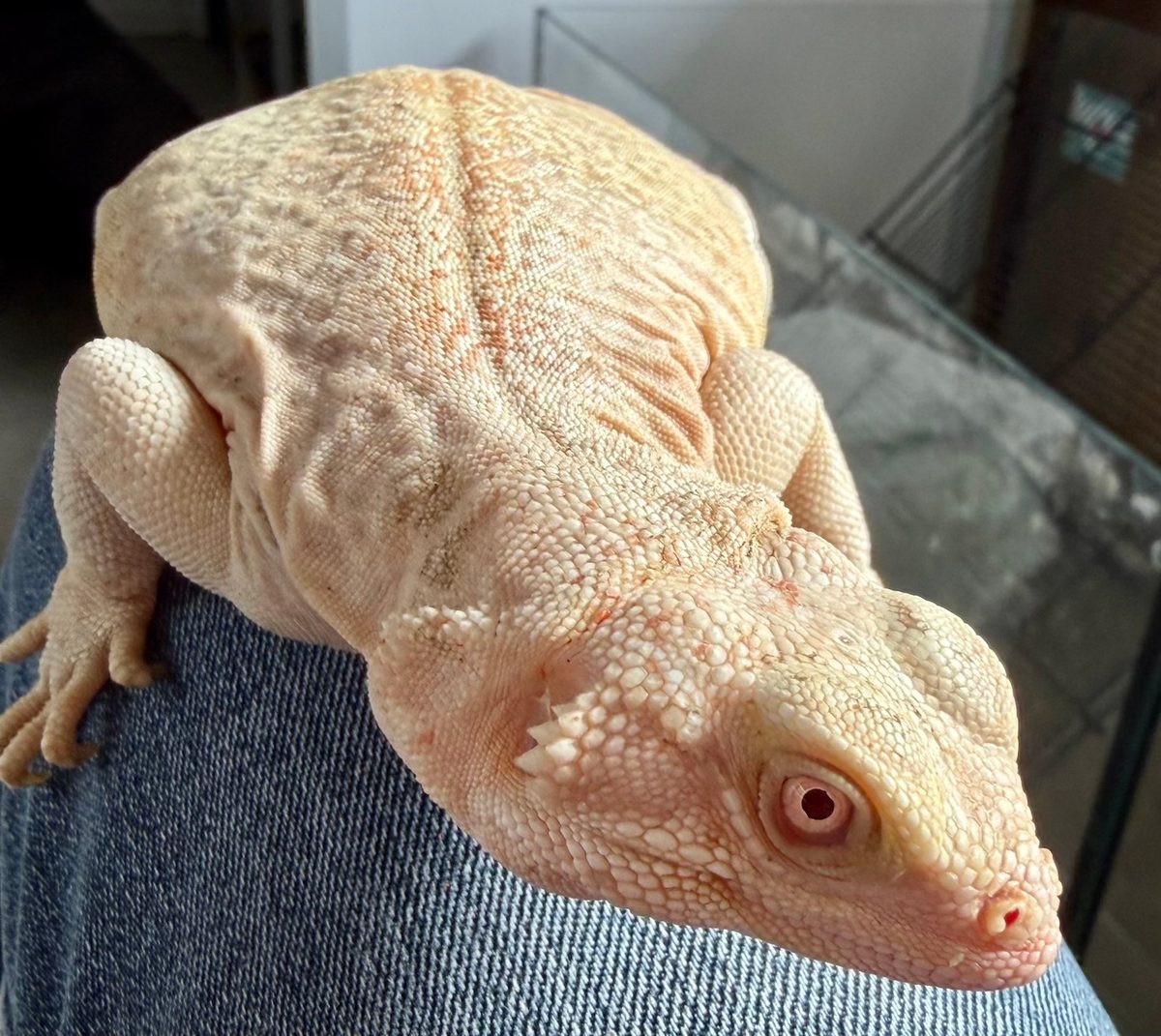
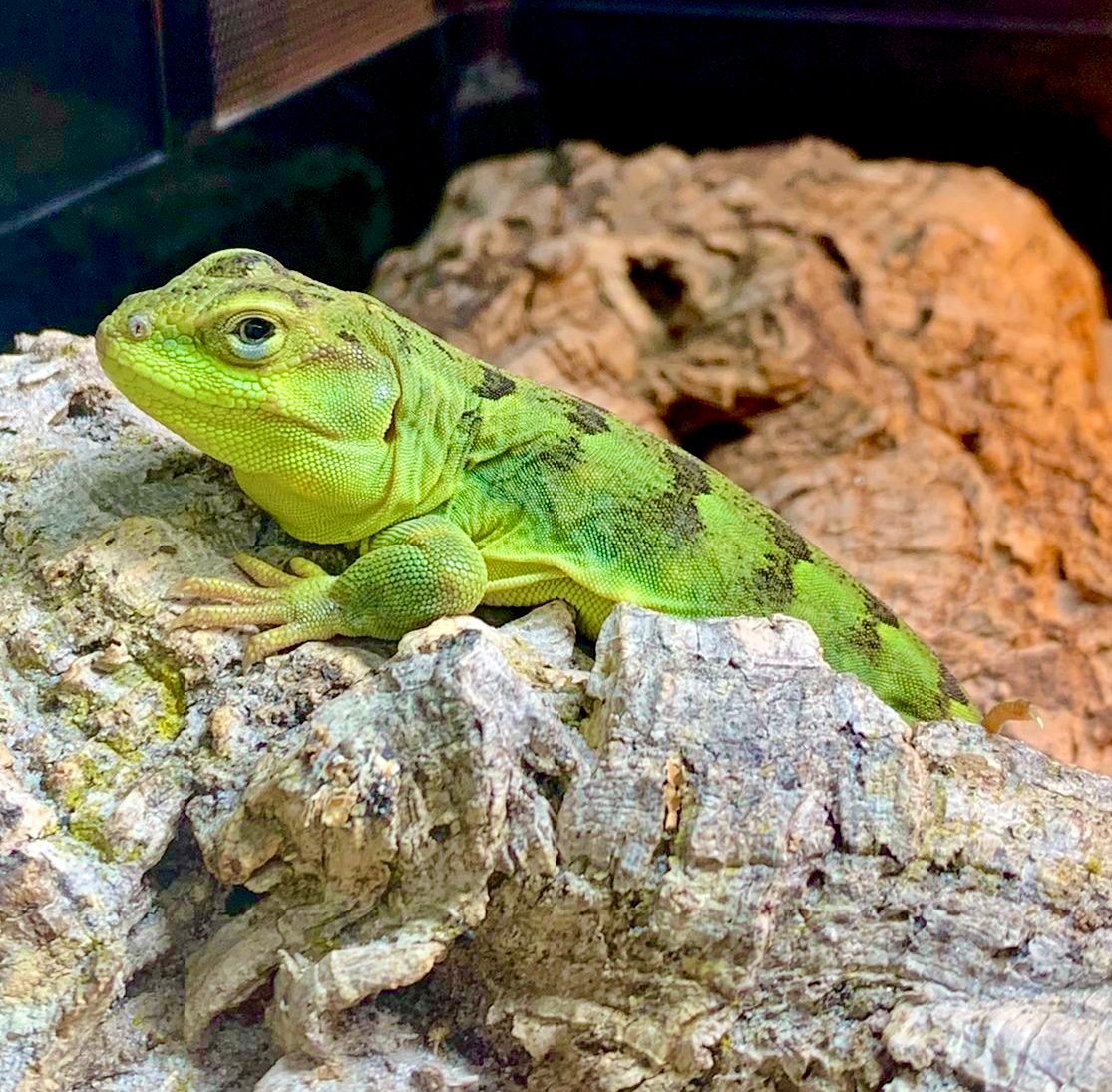
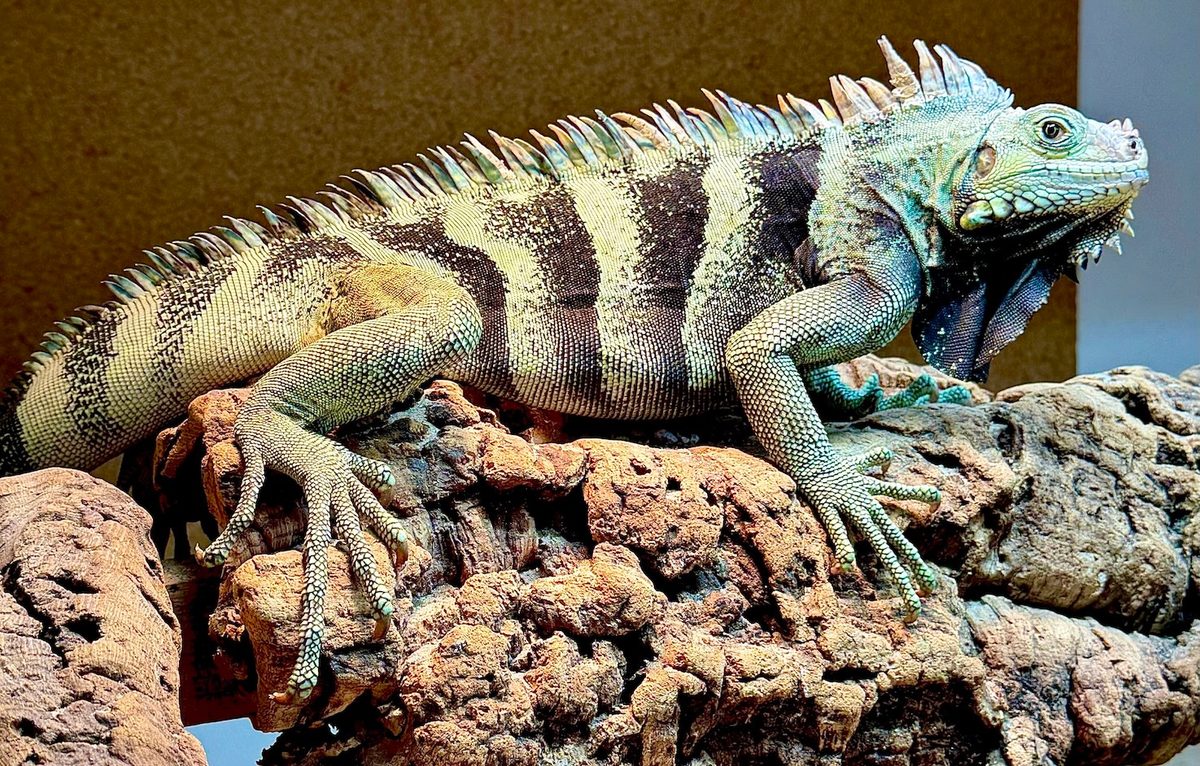
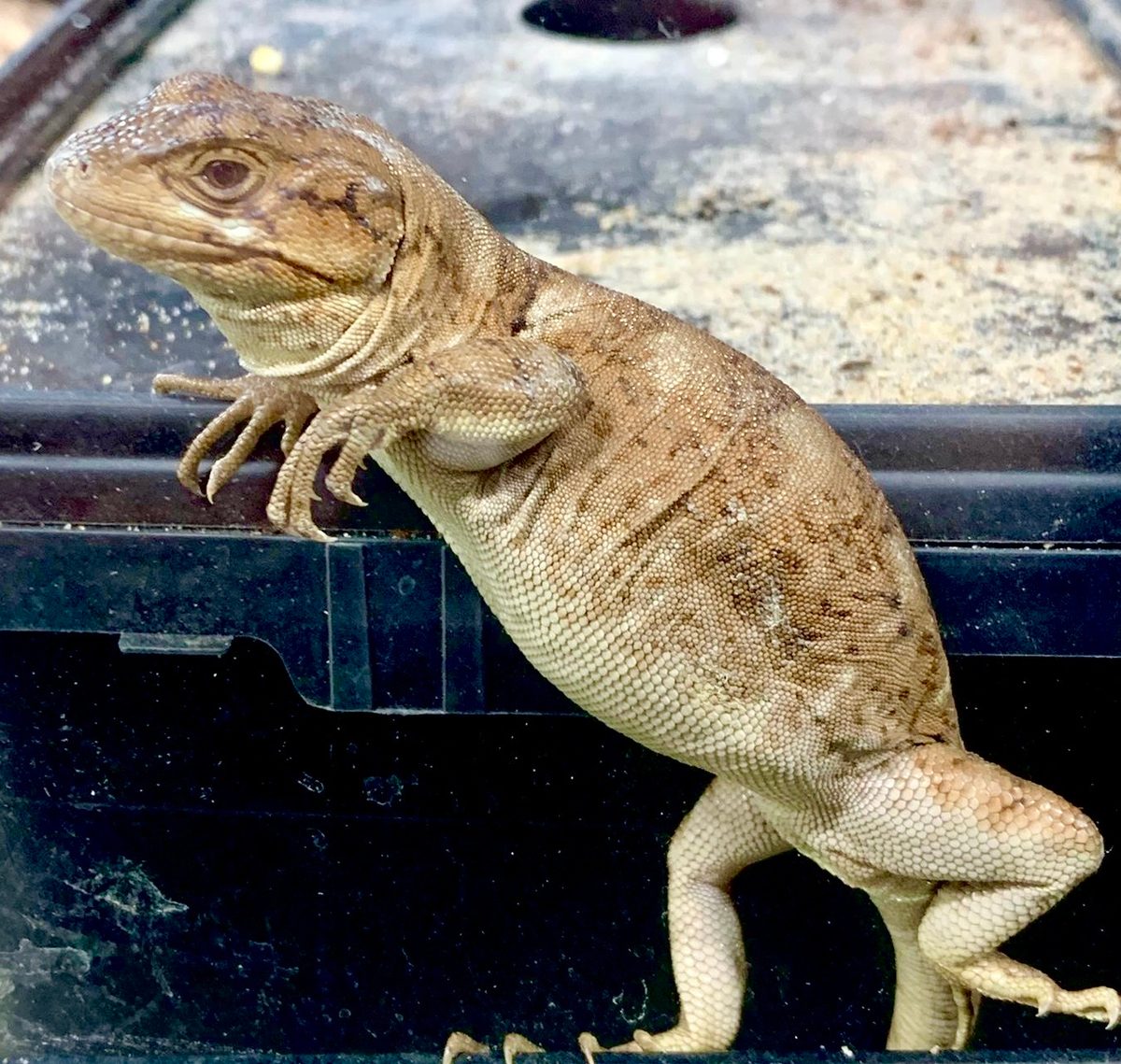
Portrait — adult iguanid head detail
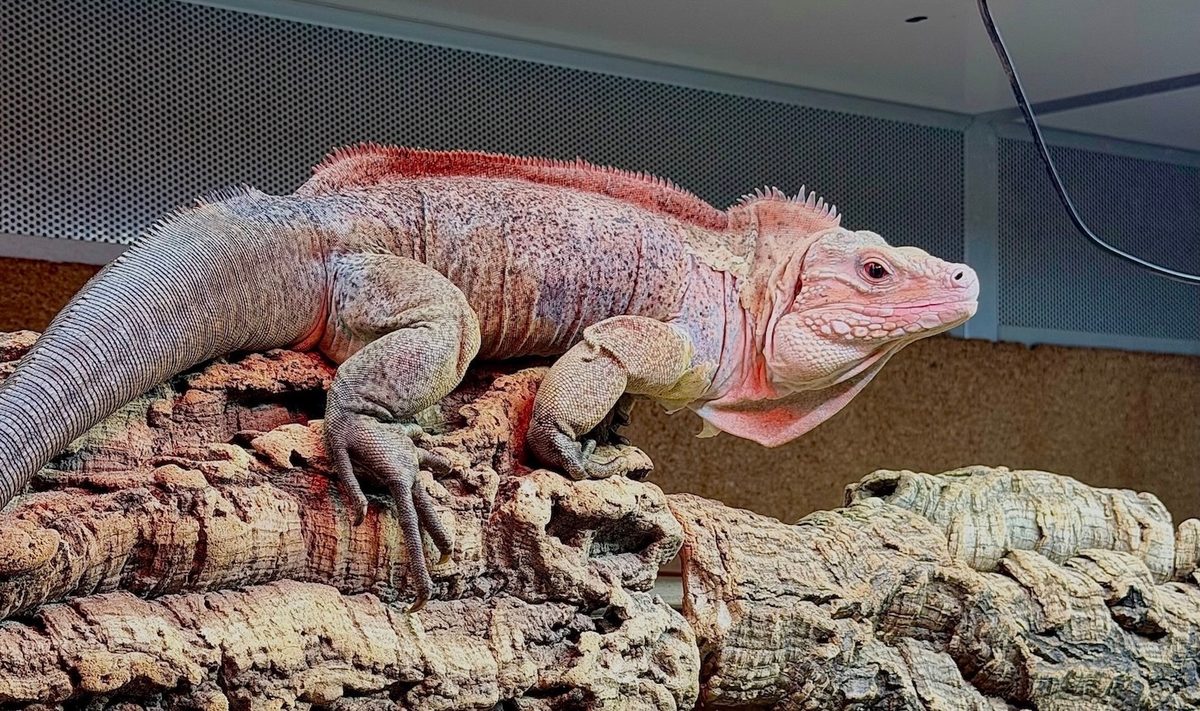
Habitat shot
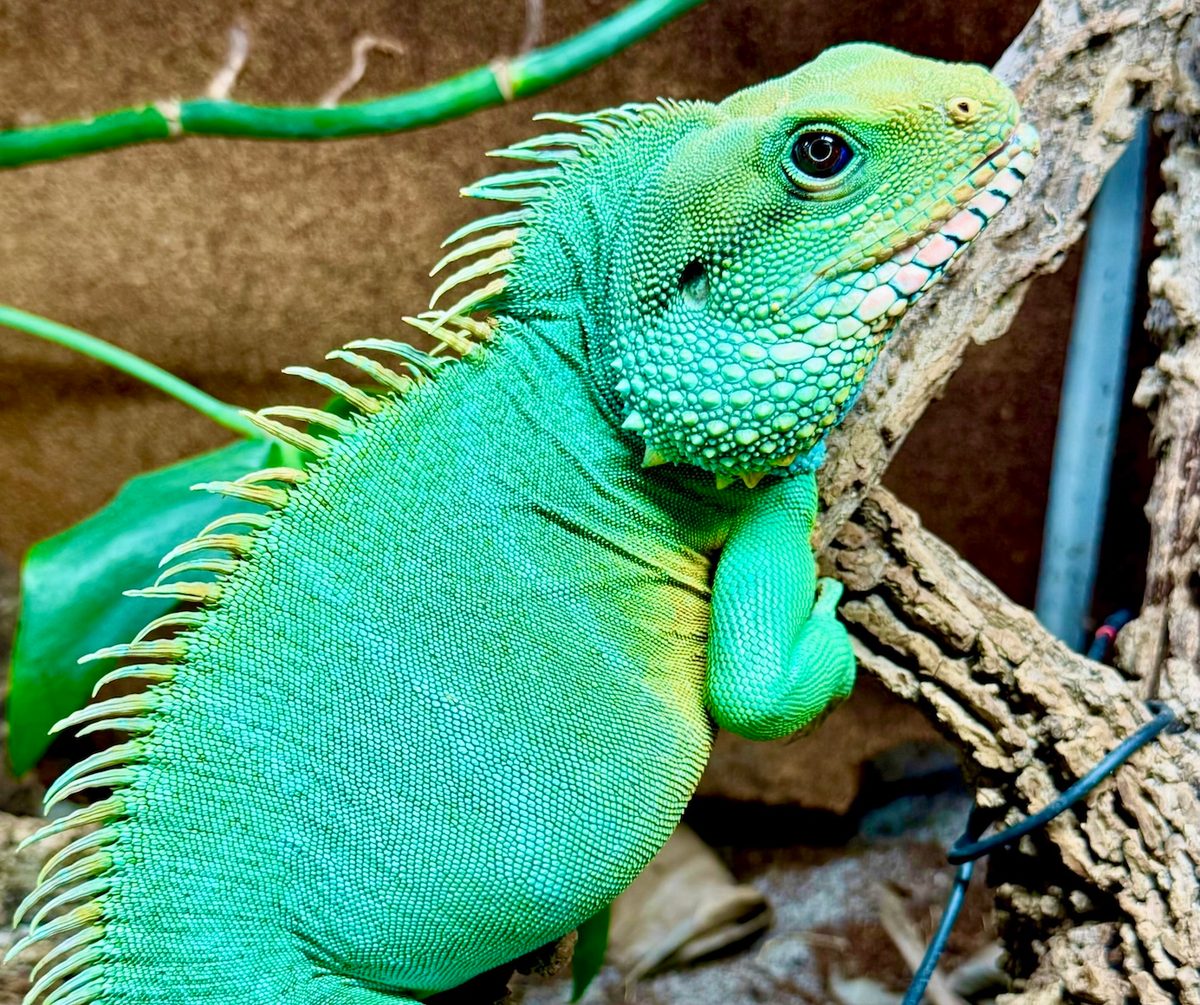
Basking pose
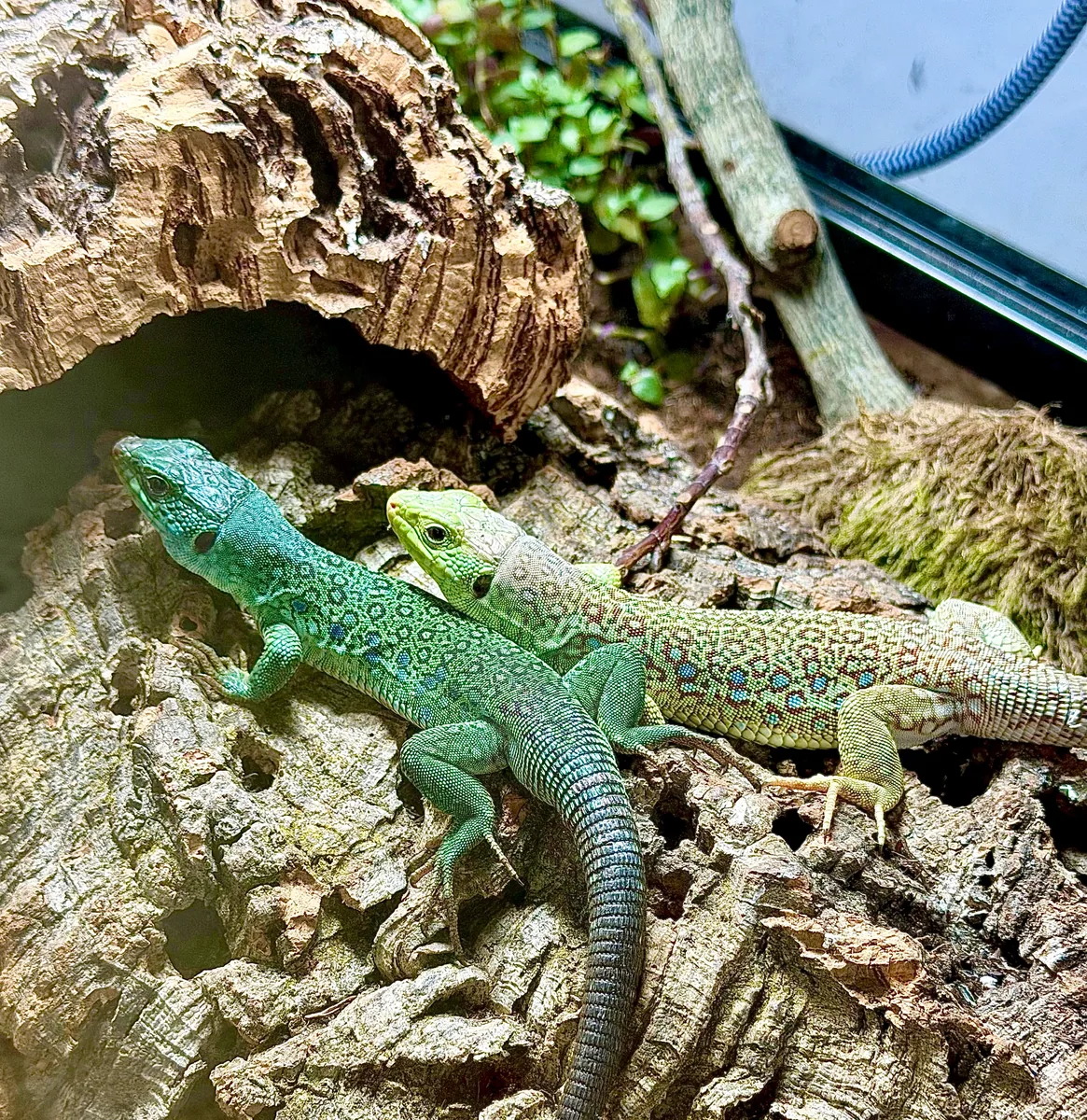
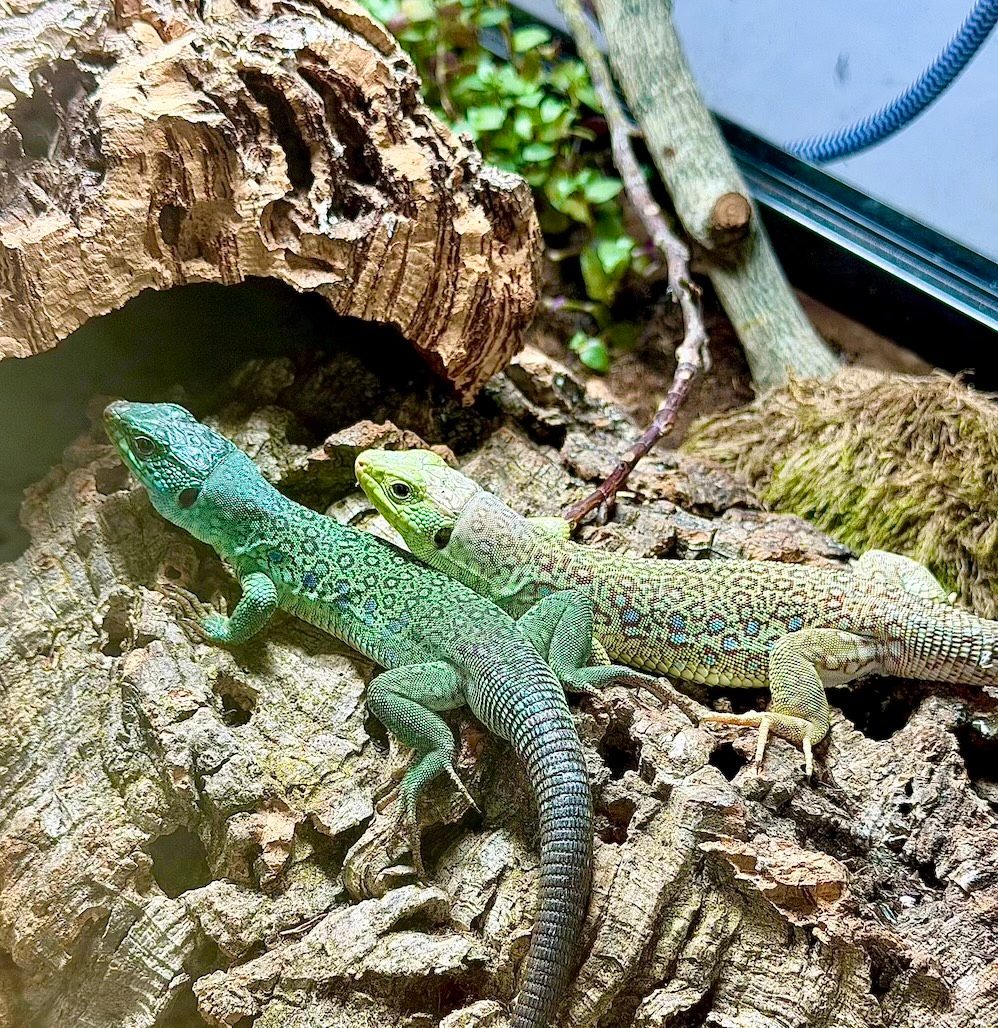
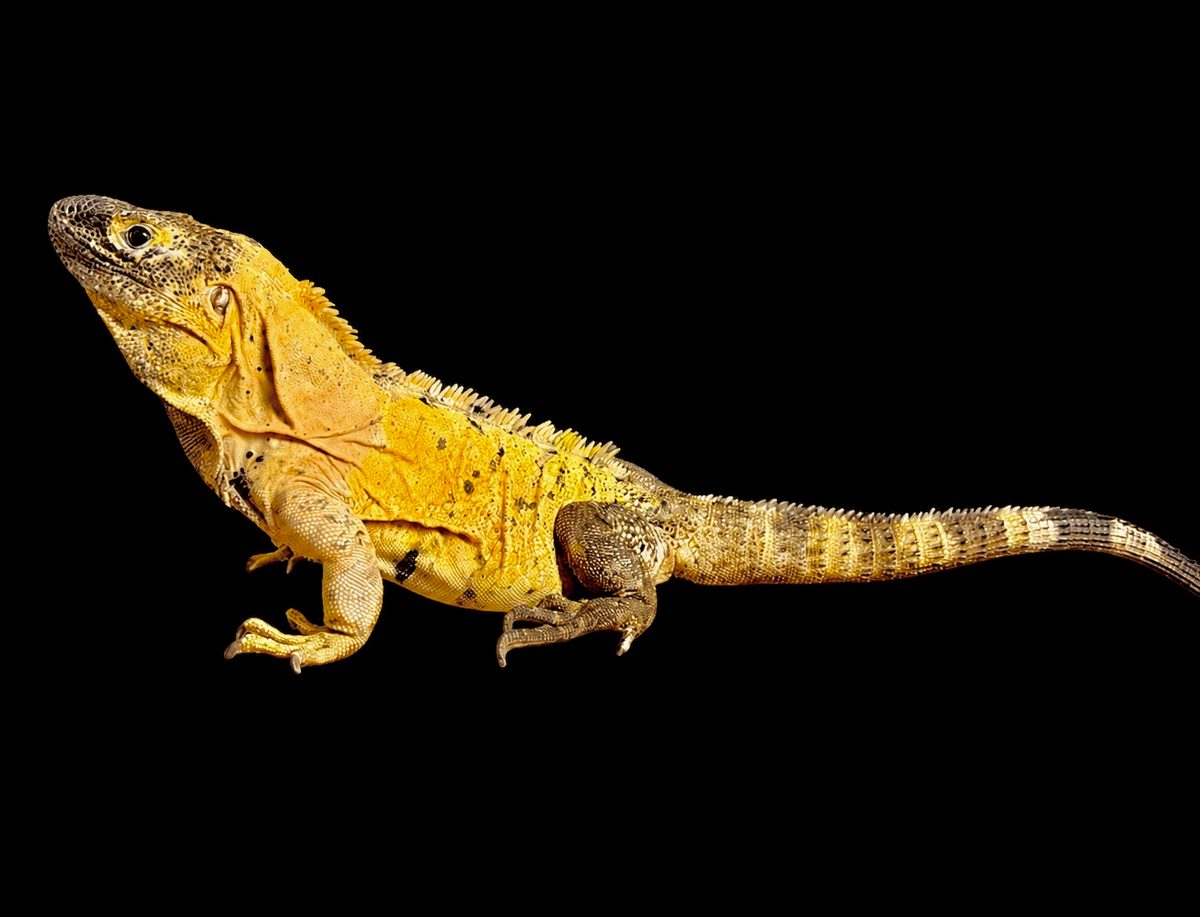
Jewelled Lizard — Timon lepidus
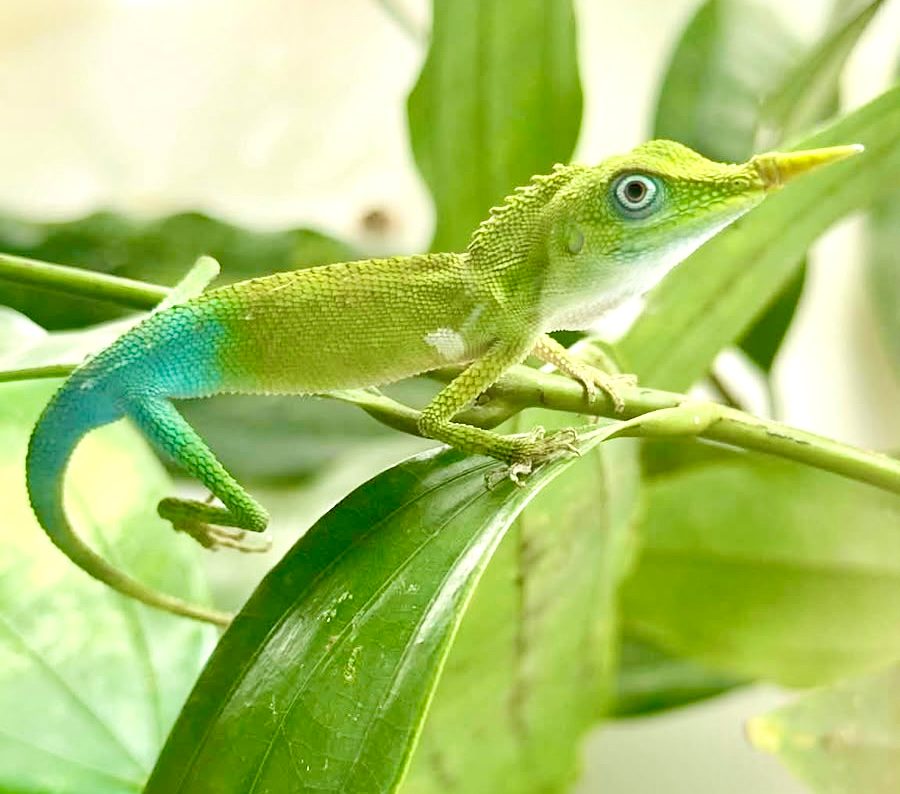
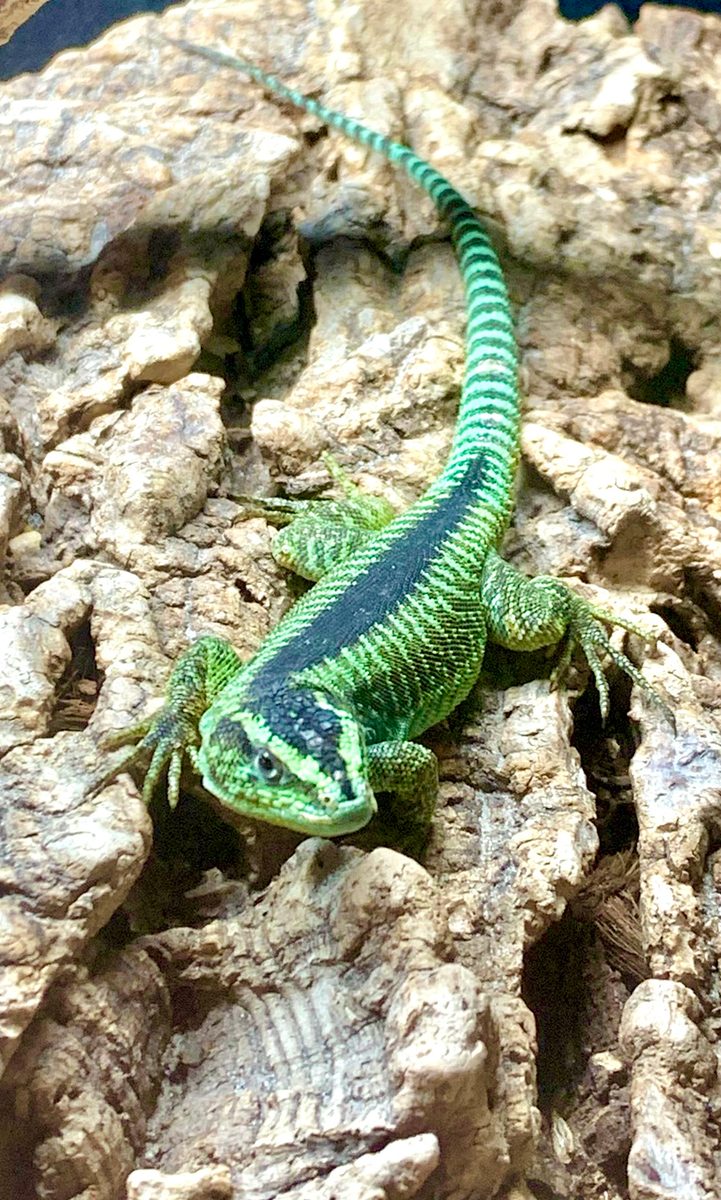
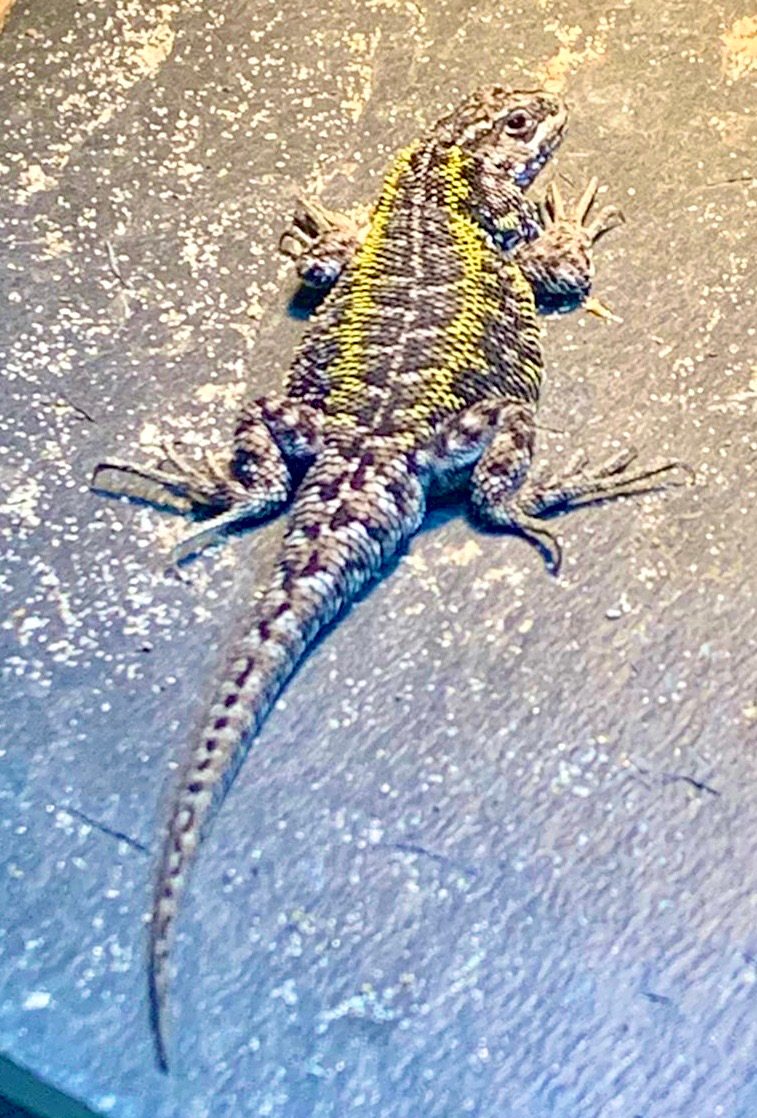
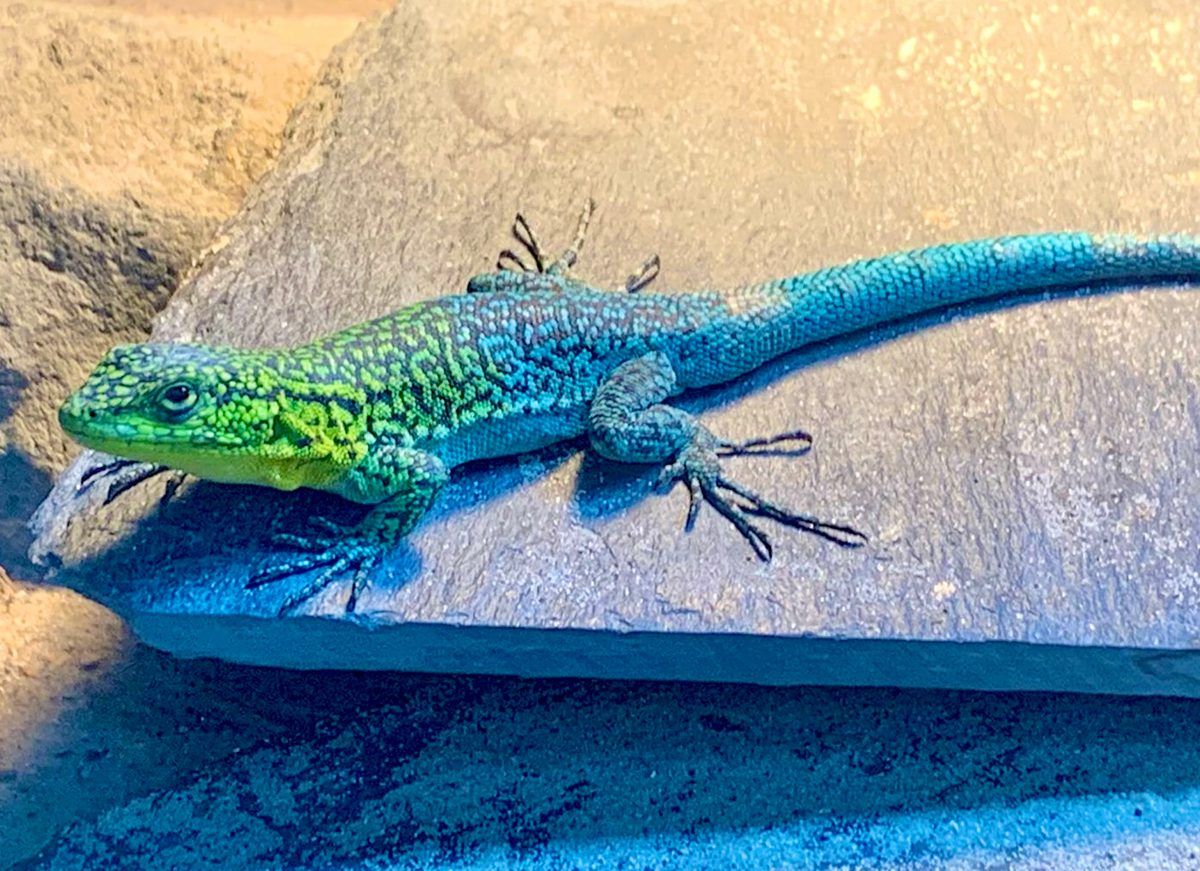
Peruvian Monkey-Tail — Polychrus peruvianus
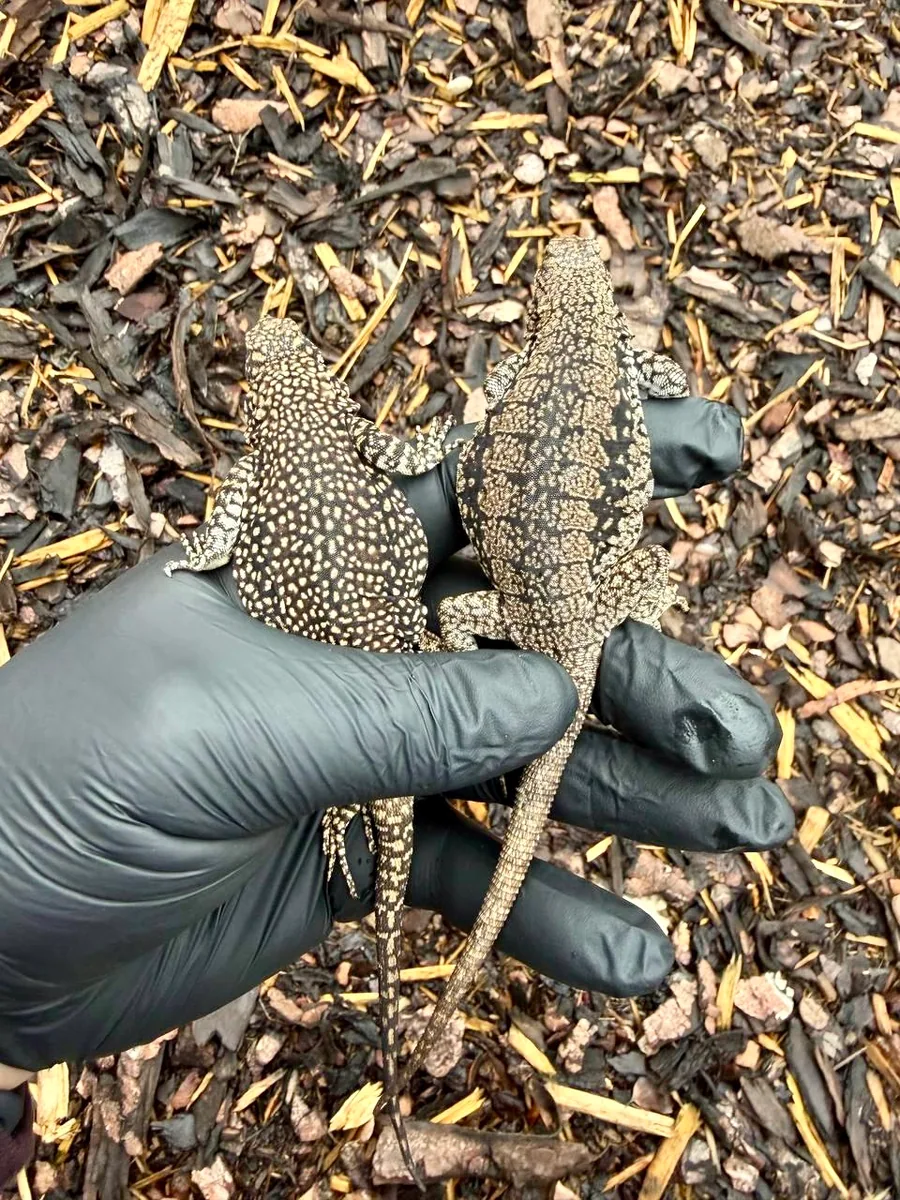
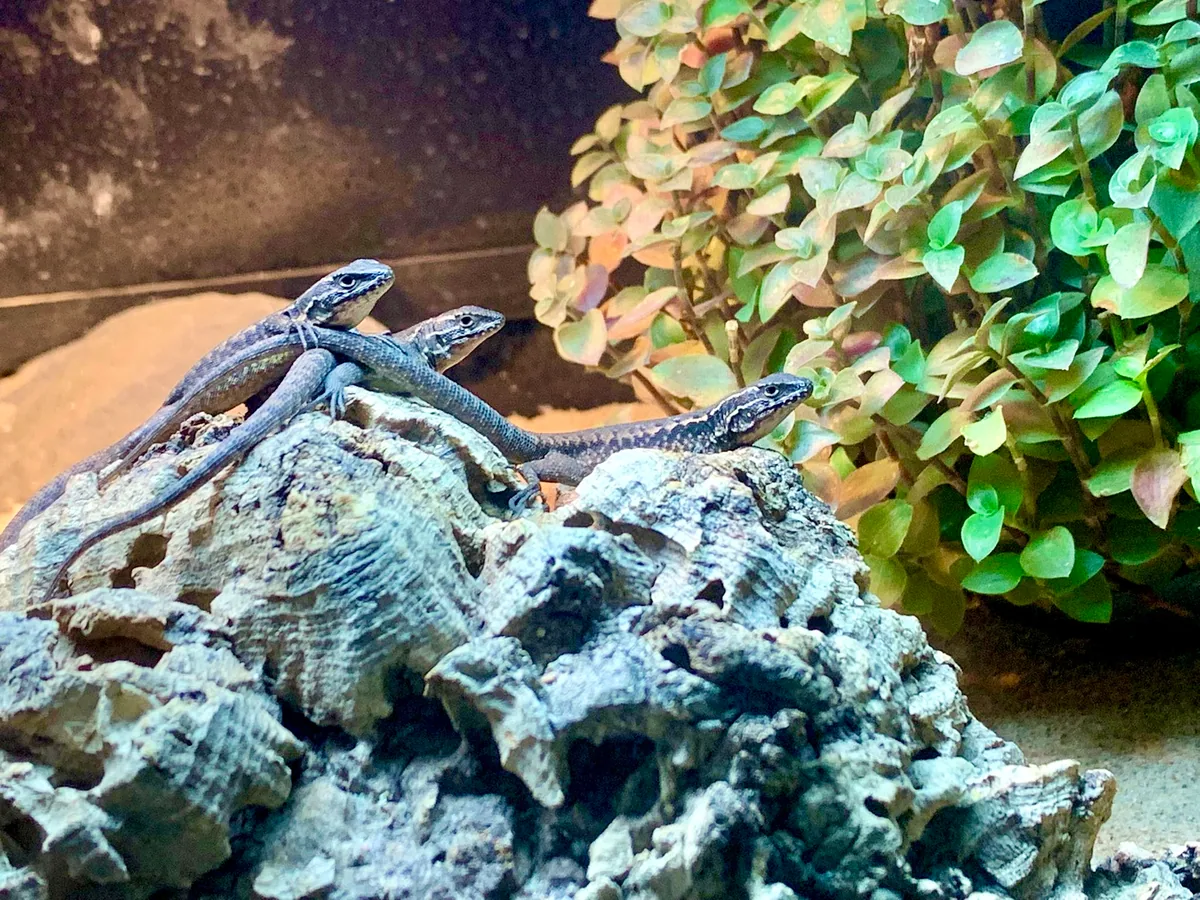
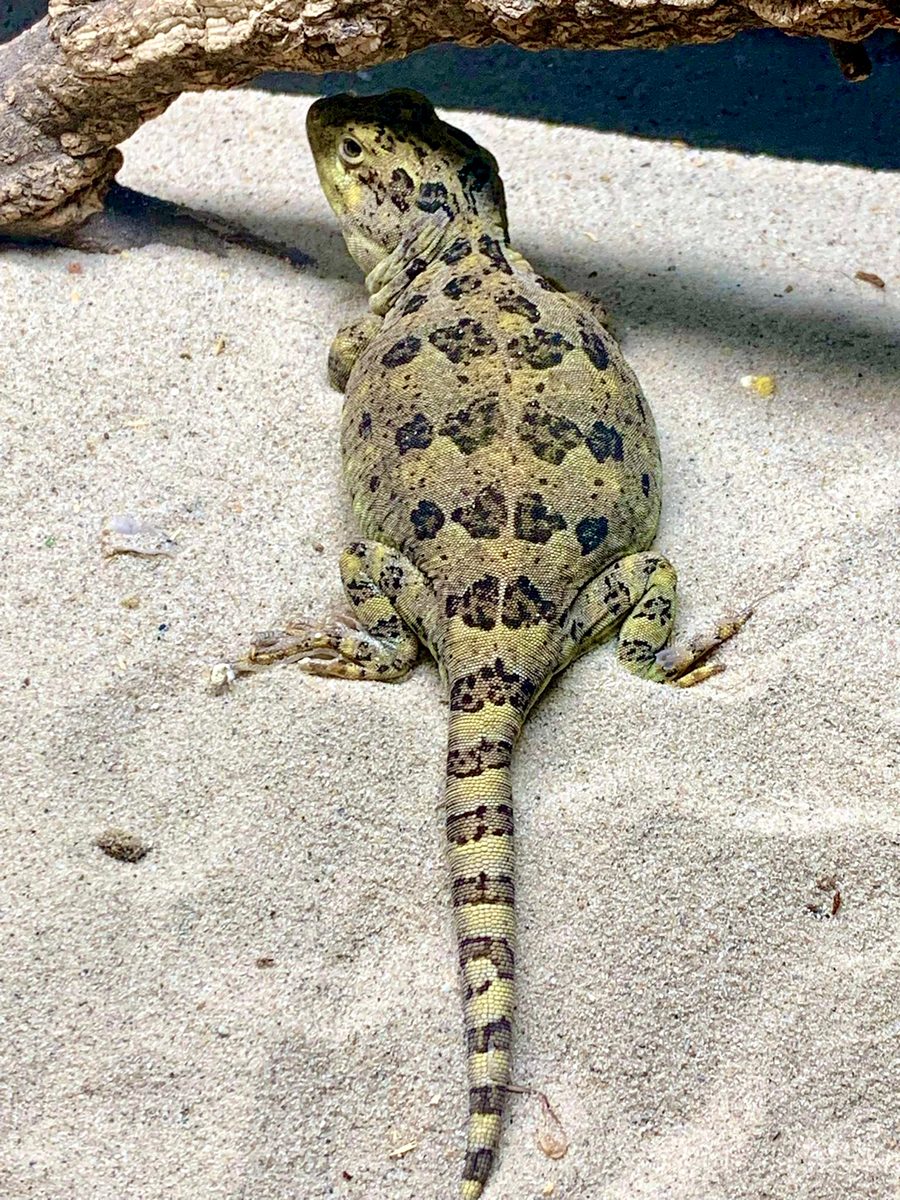
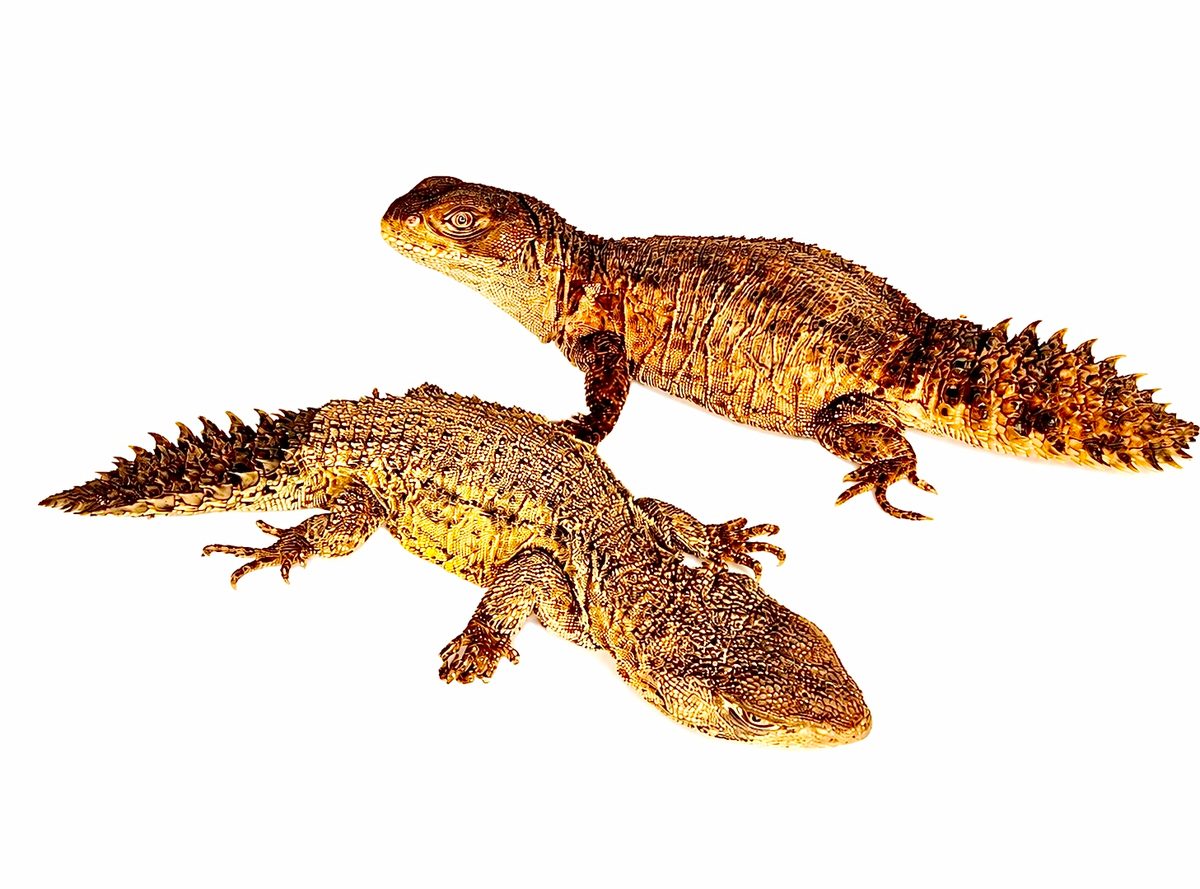
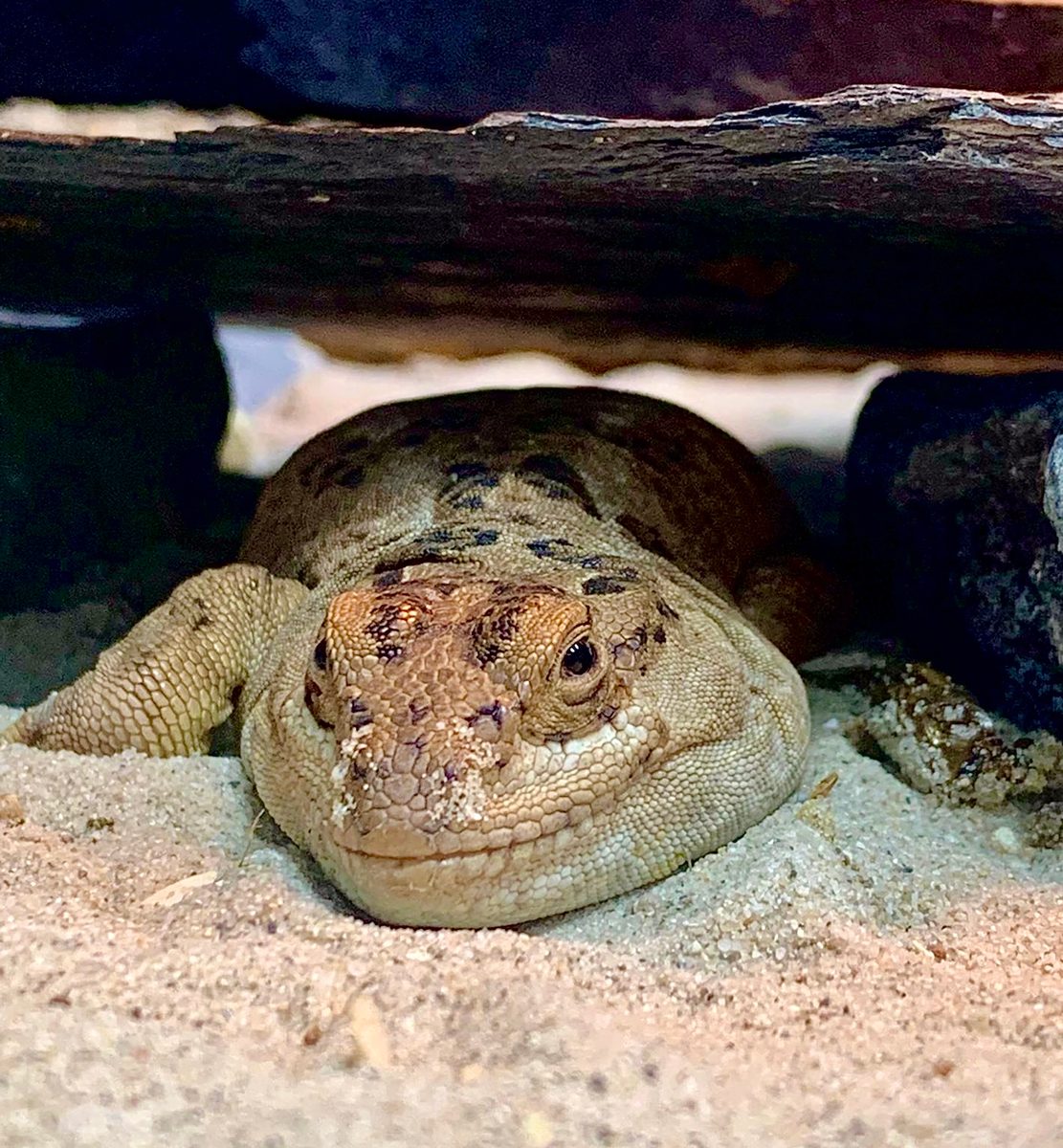
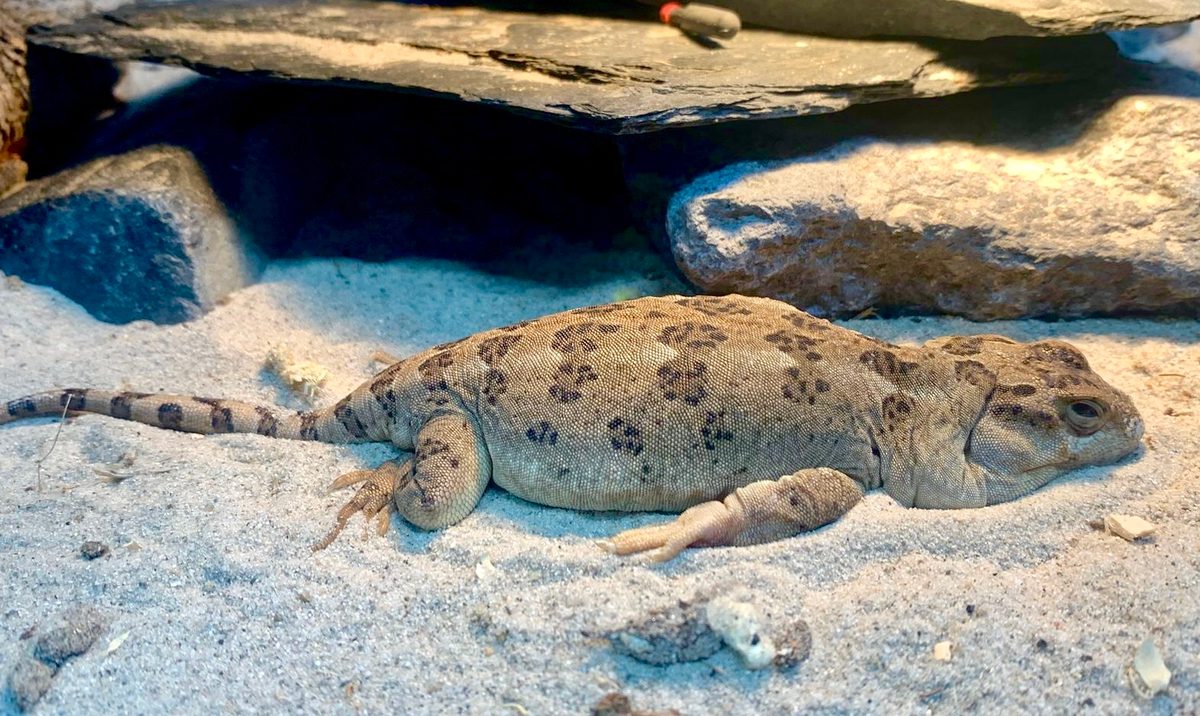
Delhey's Rock Lizard — Phymaturus delheyi
— AND THE REST

…and a few odd ones.

Outside the iguanids, we keep a small group of lizards we genuinely couldn't resist — Patagonian rock lizards from cold high-altitude valleys, prehensile-tailed bush anoles from South American canopies, and the jewelled lacertids of the western Mediterranean.

They each ask something different of a keeper. Cool nights, deep forage, vertical space. We work with them because they're worth the effort, and because variety, kept properly, sharpens the rest of the room.

— NOW PLACING

Some currently available offspring

Central Fijian hatchlingAVAILABLE
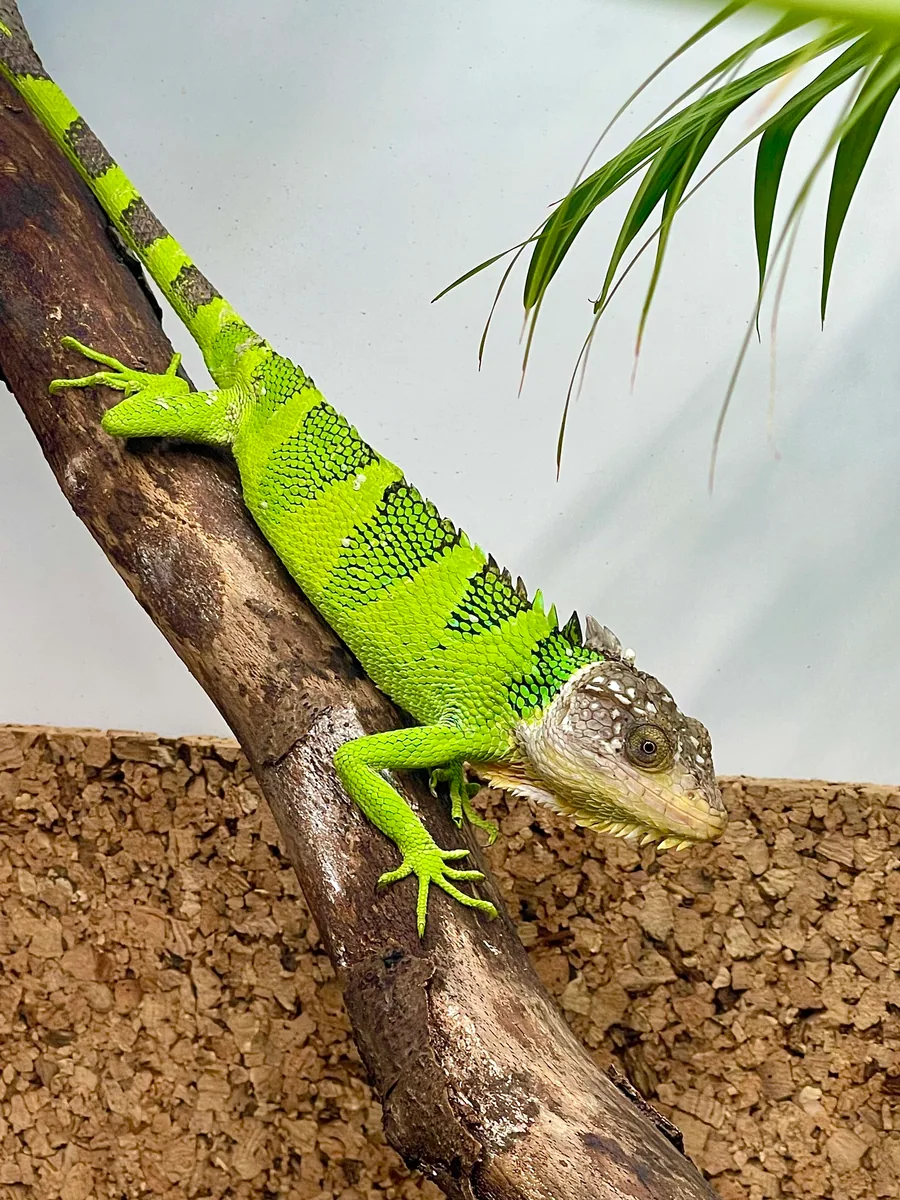
Central Fijian Banded Iguana
Male · Hatched Jan 6, 2026
Photo taken Jun 7, 2026
Motagua Spiny-Tailed hatchlingAVAILABLE
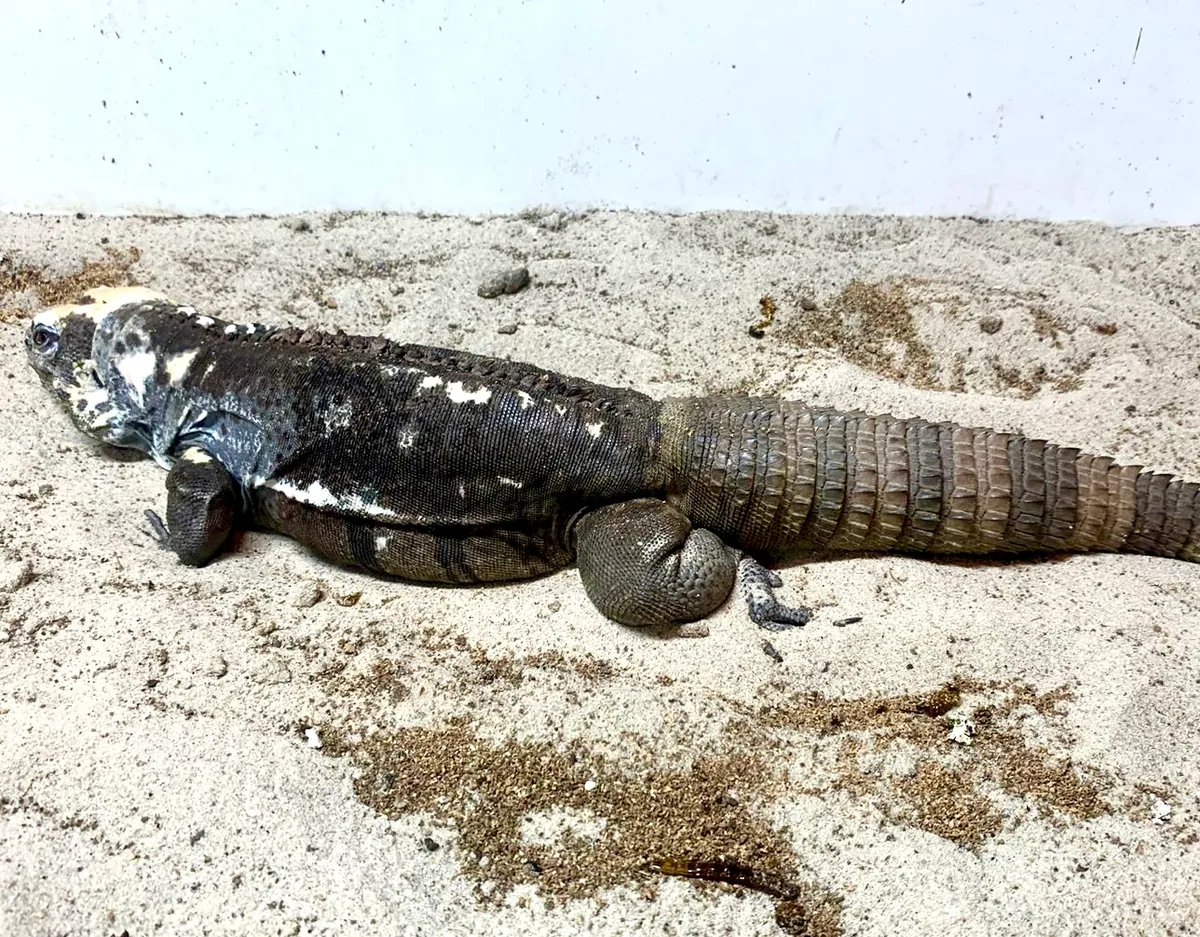
Motagua Spiny-Tailed Iguana
Male · Hatched Unknown
Photo taken Jun 7, 2026
Fijian Crested hatchlingAVAILABLE
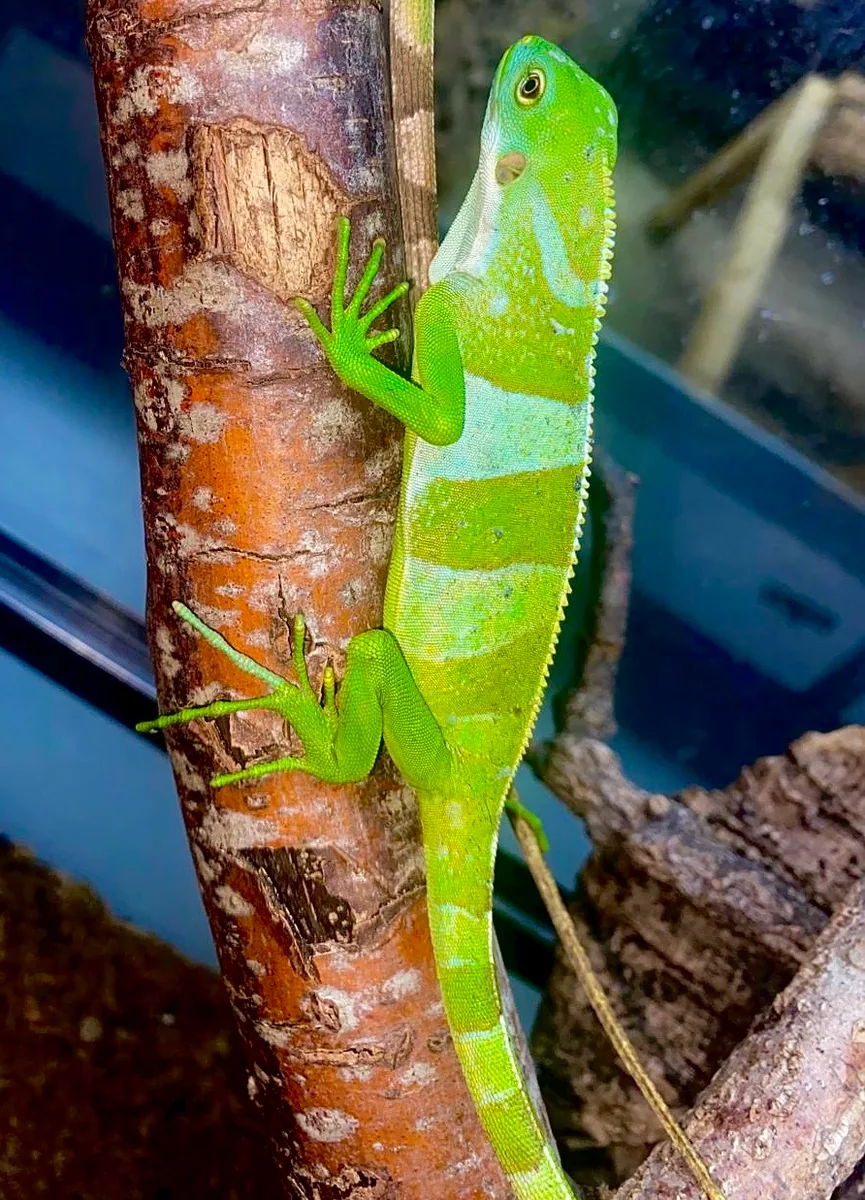
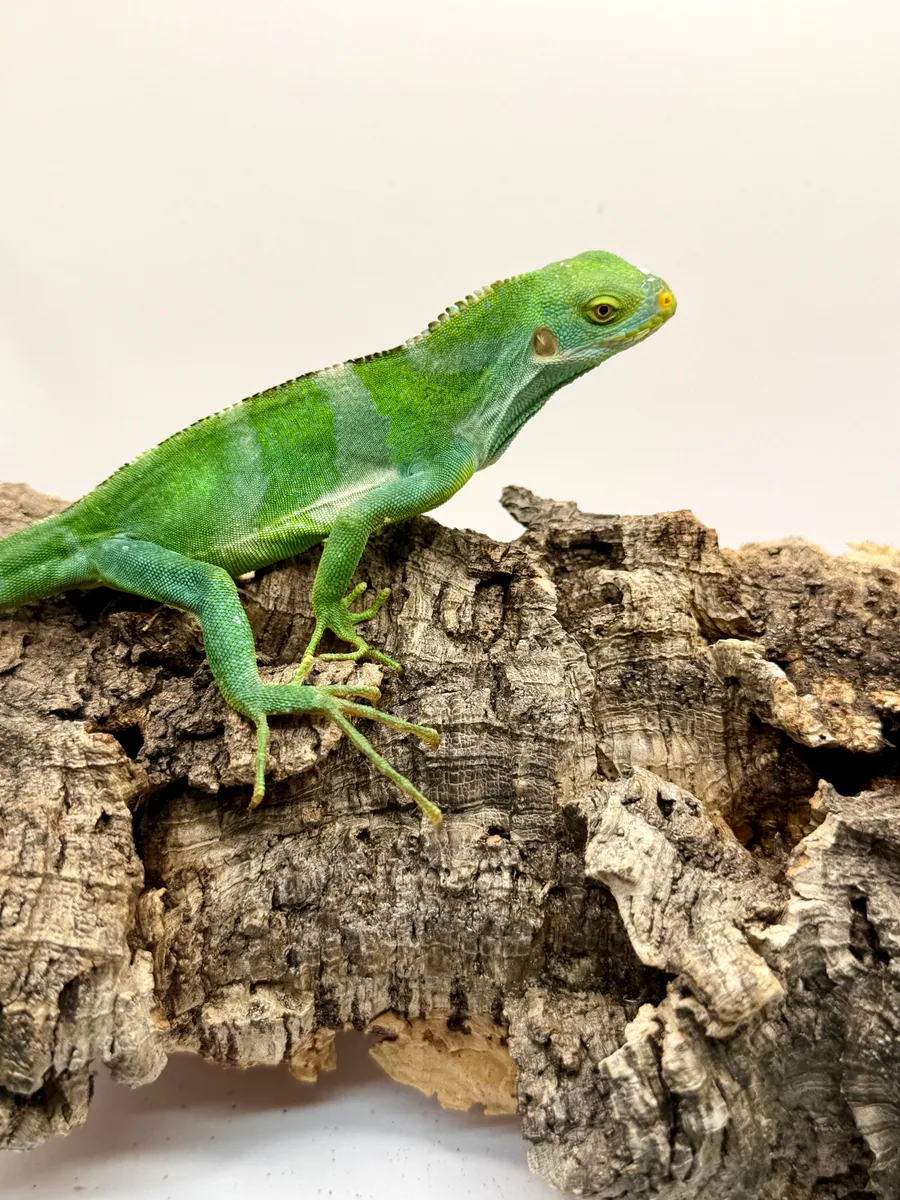
Fijian Crested Iguana
Male · Hatched Jan 3, 2026
Photo taken Apr 25, 2026
Grey's Day hatchlingAVAILABLE
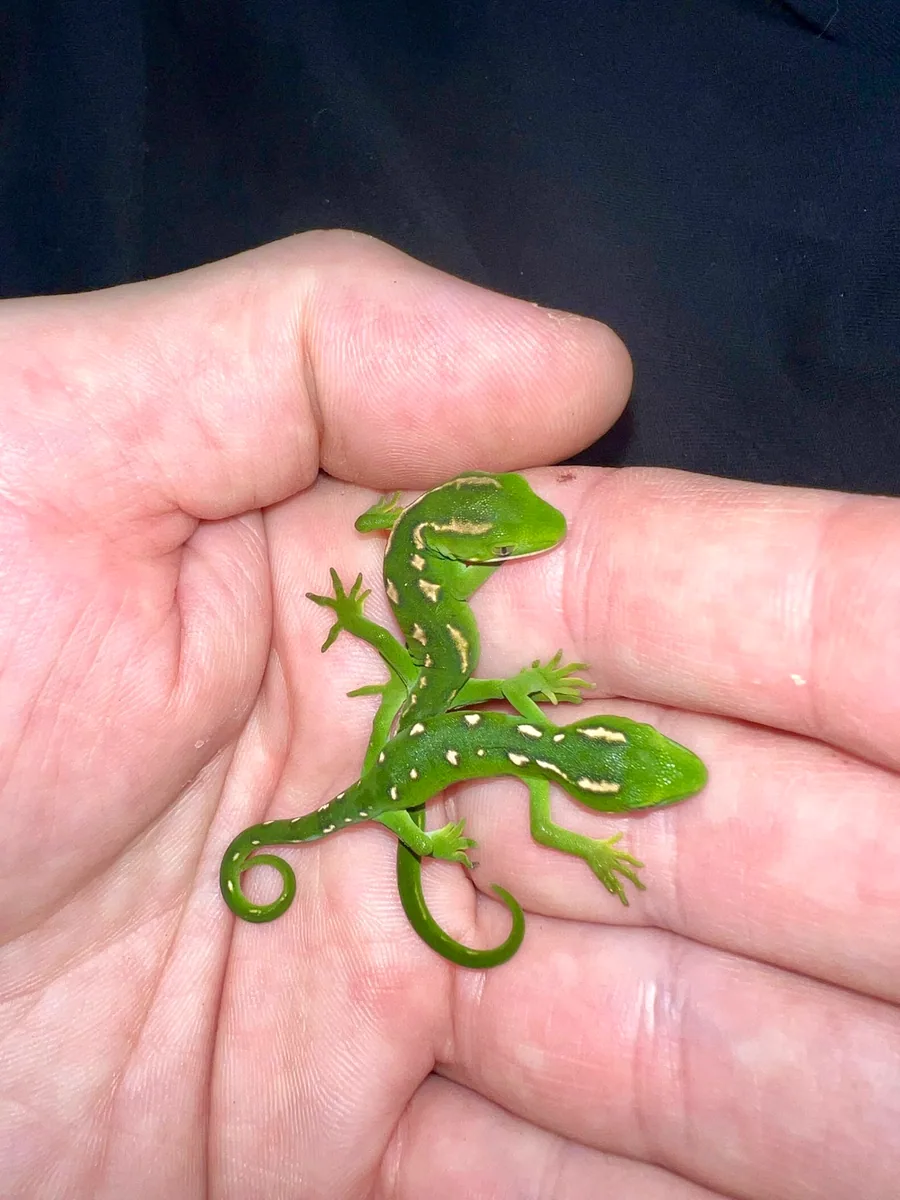
Grey's Day Gecko
Unknown · Hatched Nov 13, 2026
Photo taken Nov 15, 2025
Gran Canaria hatchlingAVAILABLE
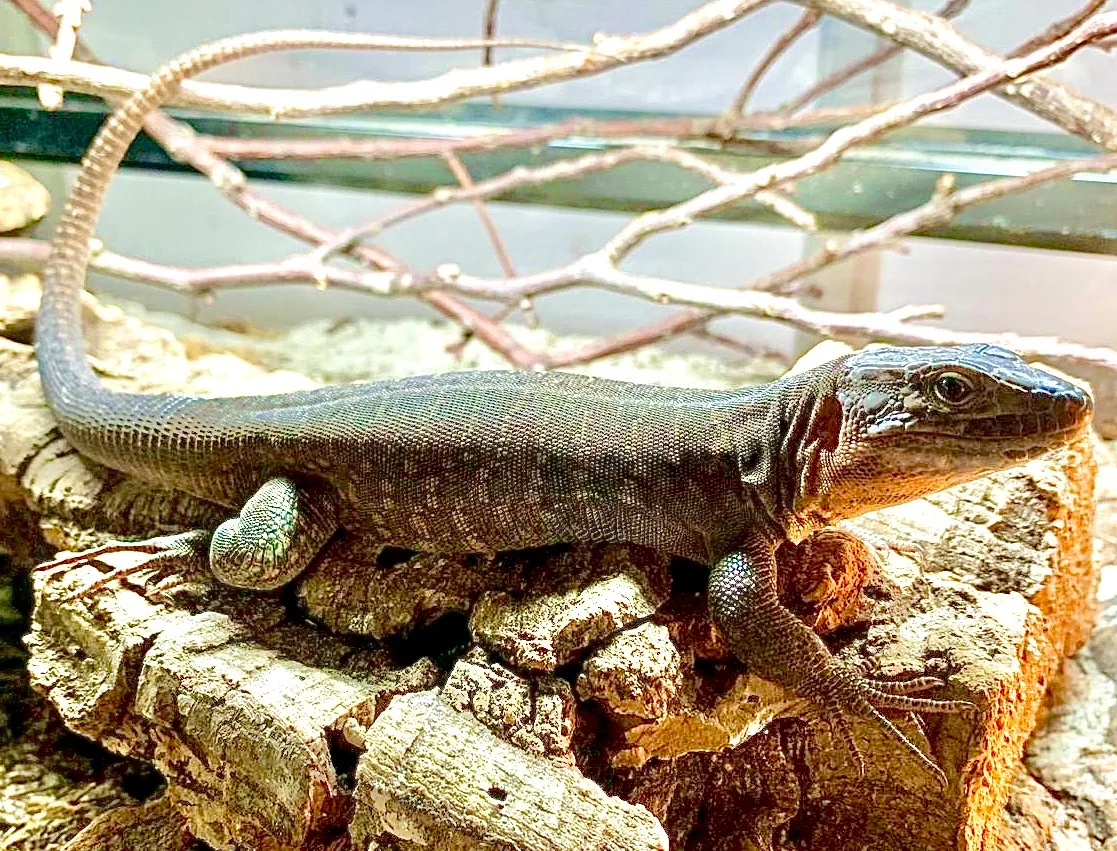
Gran Canaria Giant Lizard
Unknown · Hatched Aug 31, 2025
Photo taken Jun 7, 2026
Crested Fiji hatchlingAVAILABLE
Crested Fiji Iguana Hatchlings
Unknown · Hatched Oct 17, 2025
Photo taken Jan 23, 2026
Jewelled LizardAVAILABLE
Jewelled Lizard
Unknown · Hatched Mar 15, 2026
Photo taken May 2, 2026
Peruvian Bush AnoleAVAILABLE
Peruvian Bush Anole
Unknown · Hatched May 3, 2024
Photo taken Jun 8, 2026

The Collection

LIVING ARCHIVE · EST. MMXVI
Hypomelanistic Timon lepidus
01 / Hypomelanistic Timon lepidus
02 / Brachylophus vitiensis
Pristidactylus achalensis
03 / Pristidactylus achalensis
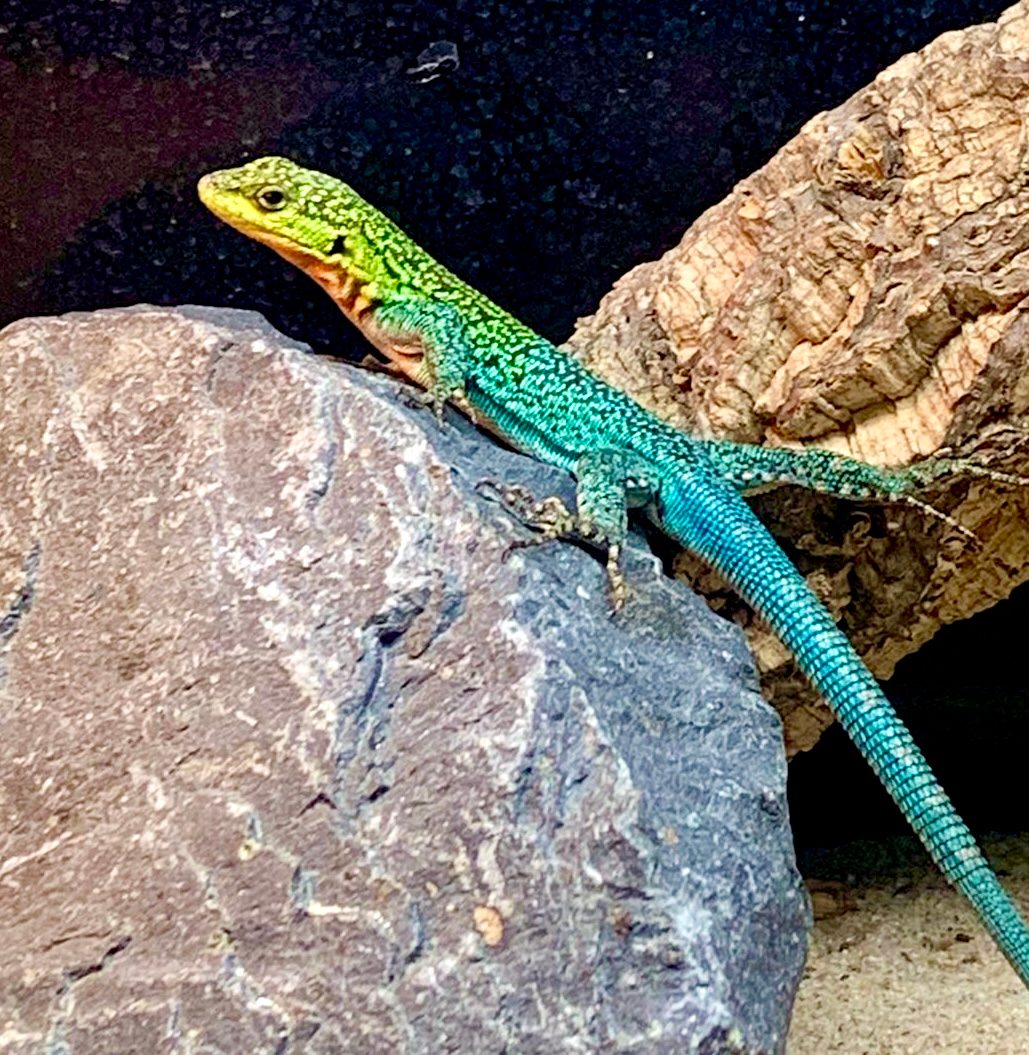
Liolaemus tenuis
04 / Liolaemus tenuis
Iguana Zombie
05 / Iguana Zombie
Liolaemus splendidus
06 / Liolaemus splendidus
Phymaturus verdugo
07 / Phymaturus verdugo
Cyclura rileyi nuchalis
08 / Cyclura rileyi nuchalis
Liolaemus tenuis
09 / Liolaemus tenuis
Diplolaemus sexcinctus
10 / Diplolaemus sexcinctus
Liolaemus splendidus
11 / Liolaemus splendidus
Diplolaemus sexcinctus
12 / Diplolaemus sexcinctus
"We keep these animals the way we'd want to be kept — with space, with light, with patience, and with respect for the species they are."
— LEGEND REPTILES

The Collection

022 FRAMES
Specimen 1
01 / Phymaturus verdugo
Specimen 2
02 / Pristidactylus araucanus
Specimen 3
03 / Diplolaemus bibronii belli
Specimen 4
04 / Hoplocercus spinosus
Specimen 5
05 / Liolaemus splendidus
Specimen 6
06 / Banana Pectinata
Specimen 7
07 / Albino Chuckwalla
Specimen 8
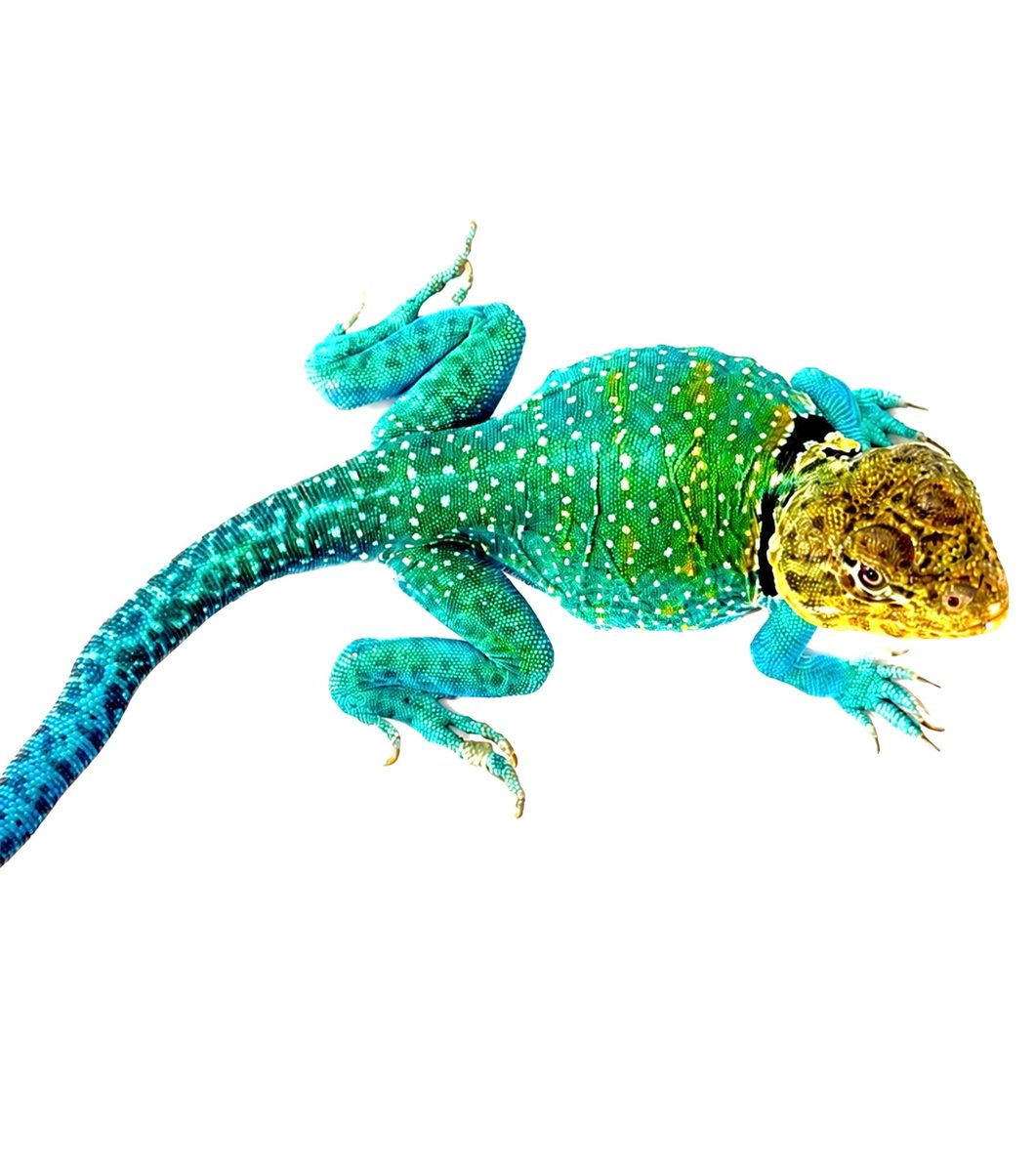
08 / Crotaphytus collaris
Specimen 9
09 / Crotaphytus collaris
Specimen 10
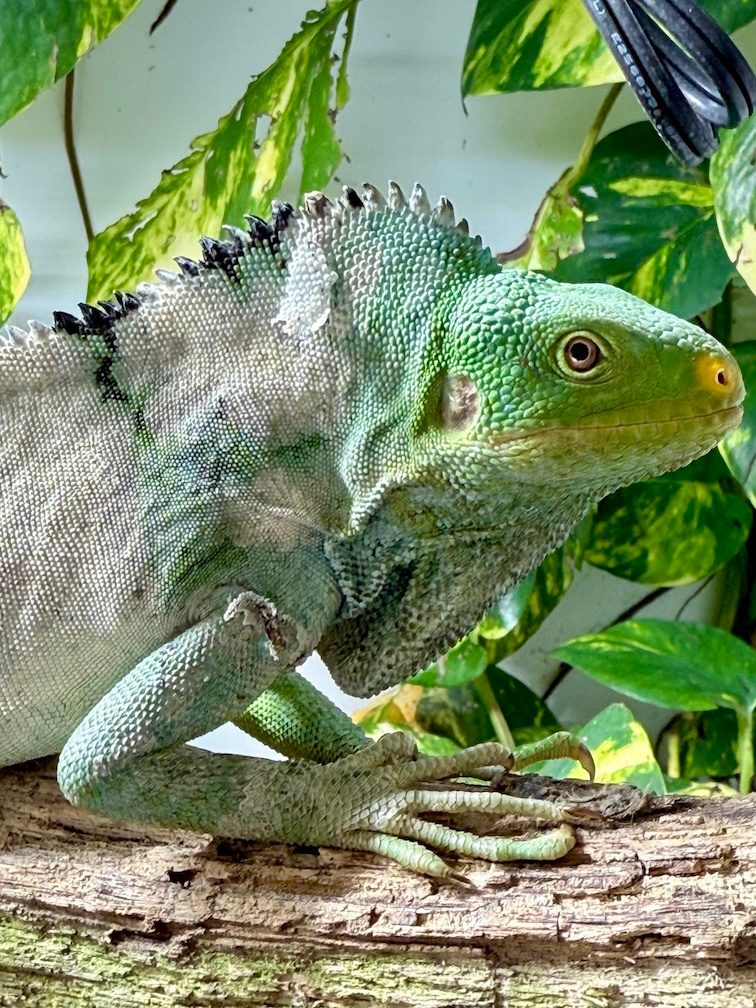
10 / Brachylophus vitiensis
Specimen 11
11 / Liolaemus tenuis
Specimen 12
12 / Liolaemus splendidus
Specimen 13
13 / Diplolaemus sexcinctus
Specimen 14
14 / Liolaemus kolengh
Specimen 15
15 / Diplolaemus leopardinus
Specimen 16
16 / Iguana iguana sanctaluciae
Specimen 17
17 / Diplolaemus leopardinus
Specimen 18
18 / Liolaemus tenuis
Specimen 19
19 / Diplolaemus sexcinctus
Specimen 20
20 / Diplolaemus leopardinus
Specimen 22
22 / Brachylophus vitiensis
— THE FACILITY

Built around the animals.

Precise temperatures. Gradual dawn and dusk. Room to choose.

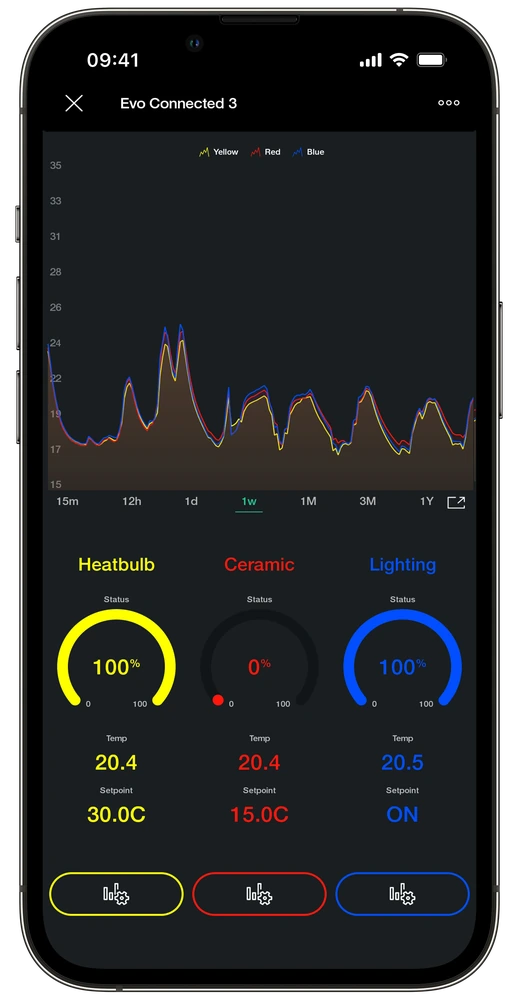
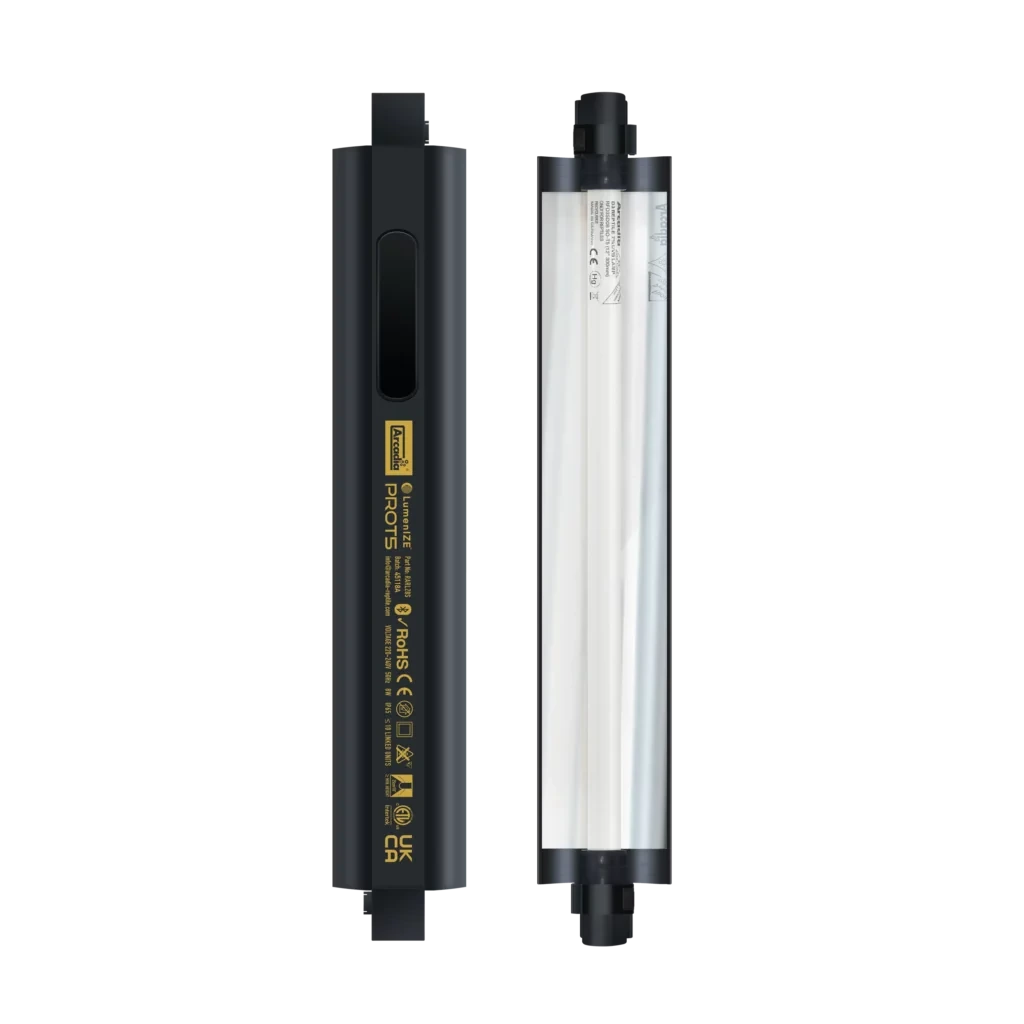
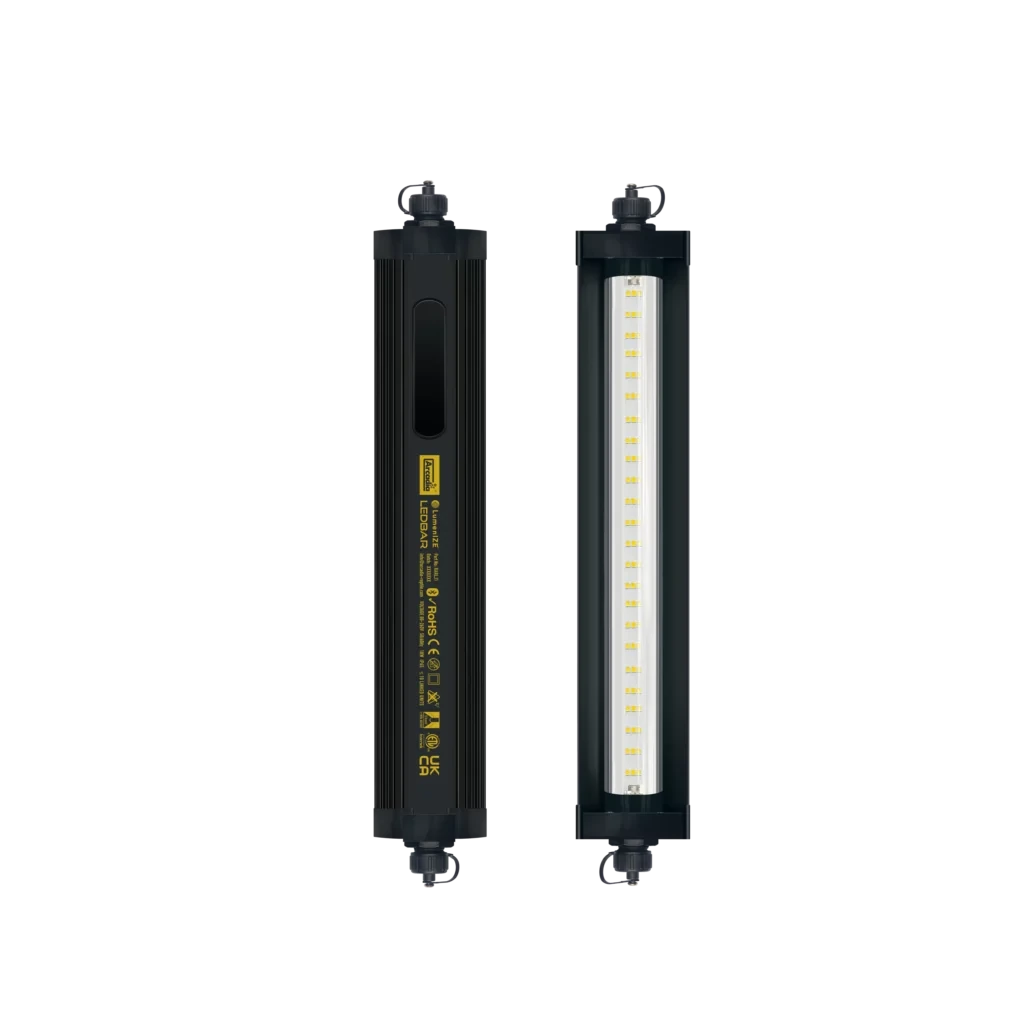
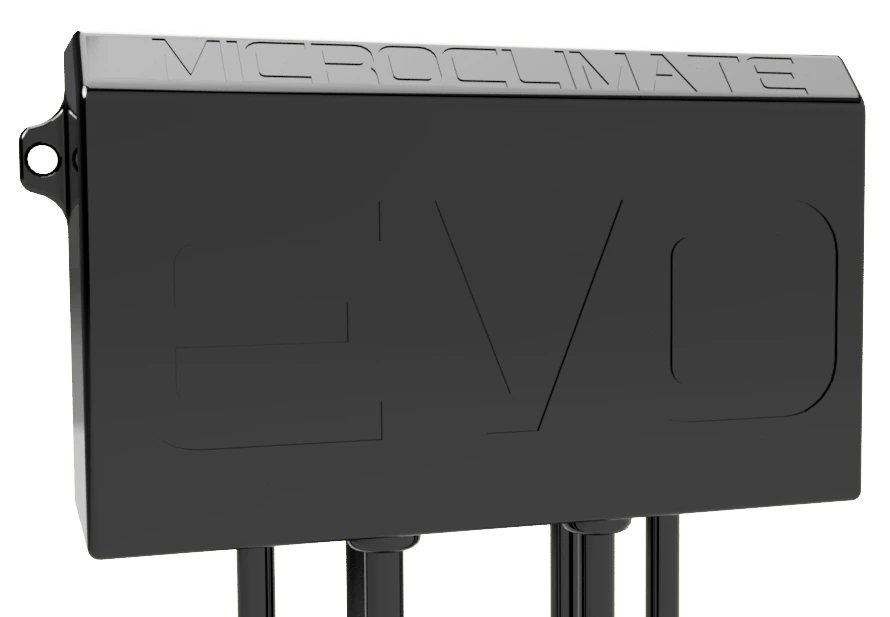
Throughout our facility, EVO Microclimate Systems and Arcadia’s LumenIZE lighting help us build environments around the daily and seasonal needs of the animals in our care.

01 / CLIMATE CONTROL

EVO
Microclimate Systems.

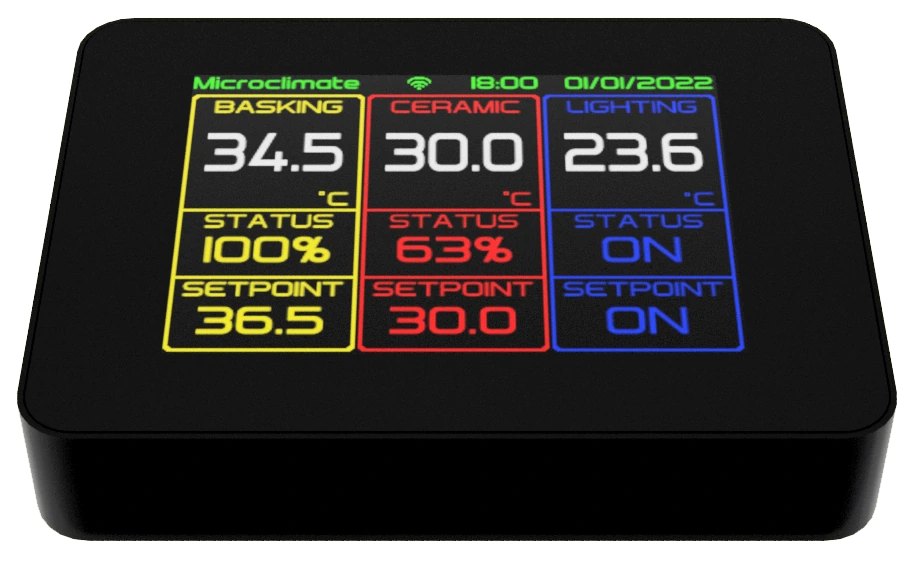
A carefully planned climate starts with controlled heating. We use EVO Microclimate Systems throughout the facility to manage temperatures around each species’ needs, supporting warmer days, cooler nights and planned seasonal changes.

Clear touchscreen readings put temperatures and channel settings in view, helping us check conditions during our daily keeper routine.
02 / THE DAILY LIGHT CYCLE

Arcadia LumenIZE
Dusk & dawn.

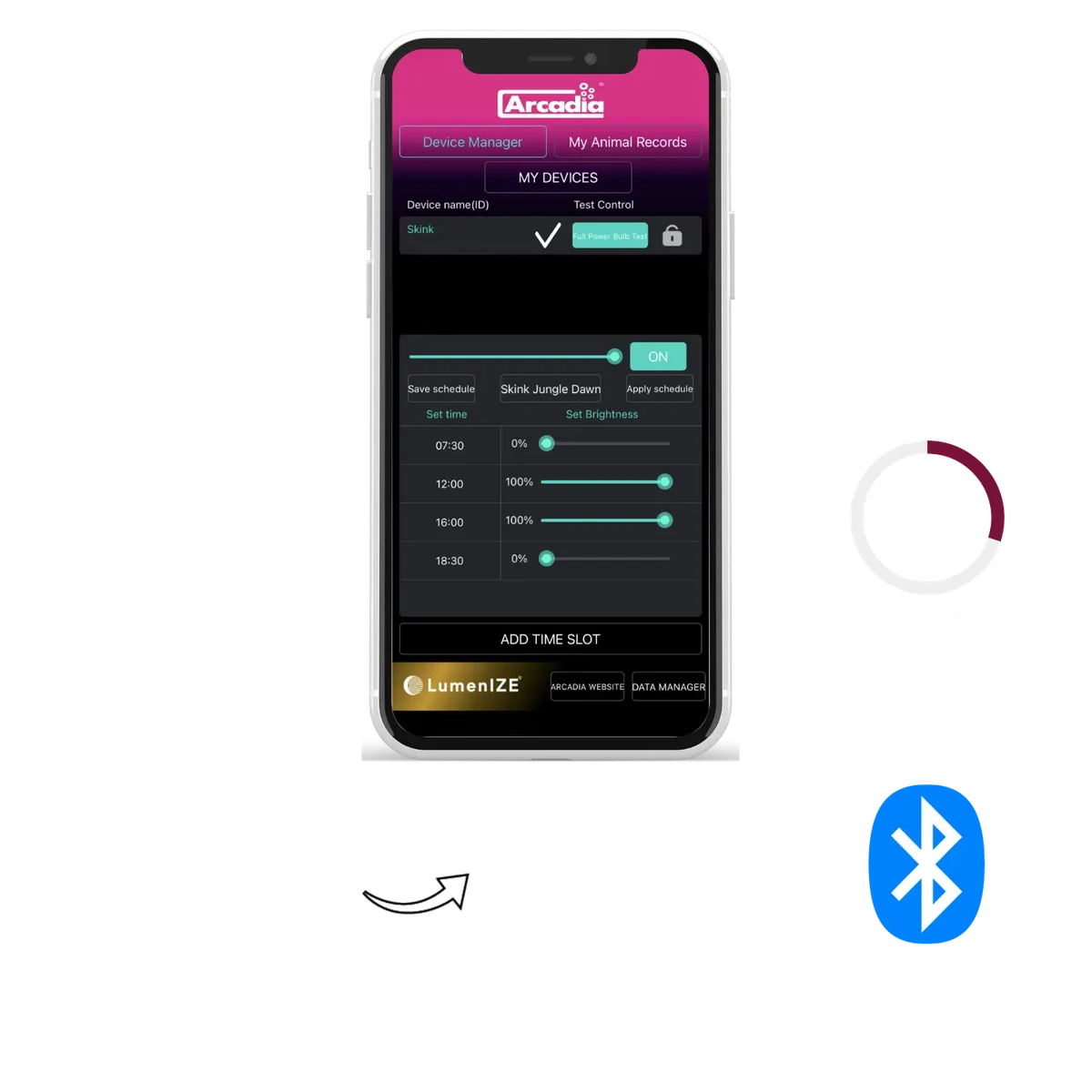
The day starts gently here. Arcadia’s LumenIZE ProT5 UV-B and JungleDawn LED systems gradually build light at dawn and fade it at dusk, giving our animals a consistent daily rhythm.

We use these systems throughout the facility, with app-controlled schedules that let us adapt day length through the seasons to each species’ annual keeper schedule.

MEASURED AT ANIMAL HEIGHT

We check UV-B with a meter at animal-back height beneath the T5 tubes, and adjust the fitting height to reach each species’ recommended UVI range. The lit area is optional, with shaded refuges always within reach.

Product images: Microclimate and Arcadia Reptile. EVO Connected equipment is shown as a product illustration; display readings are manufacturer examples.

— IN-HOUSE DIAGNOSTICS

Veterinary ultrasound imaging.

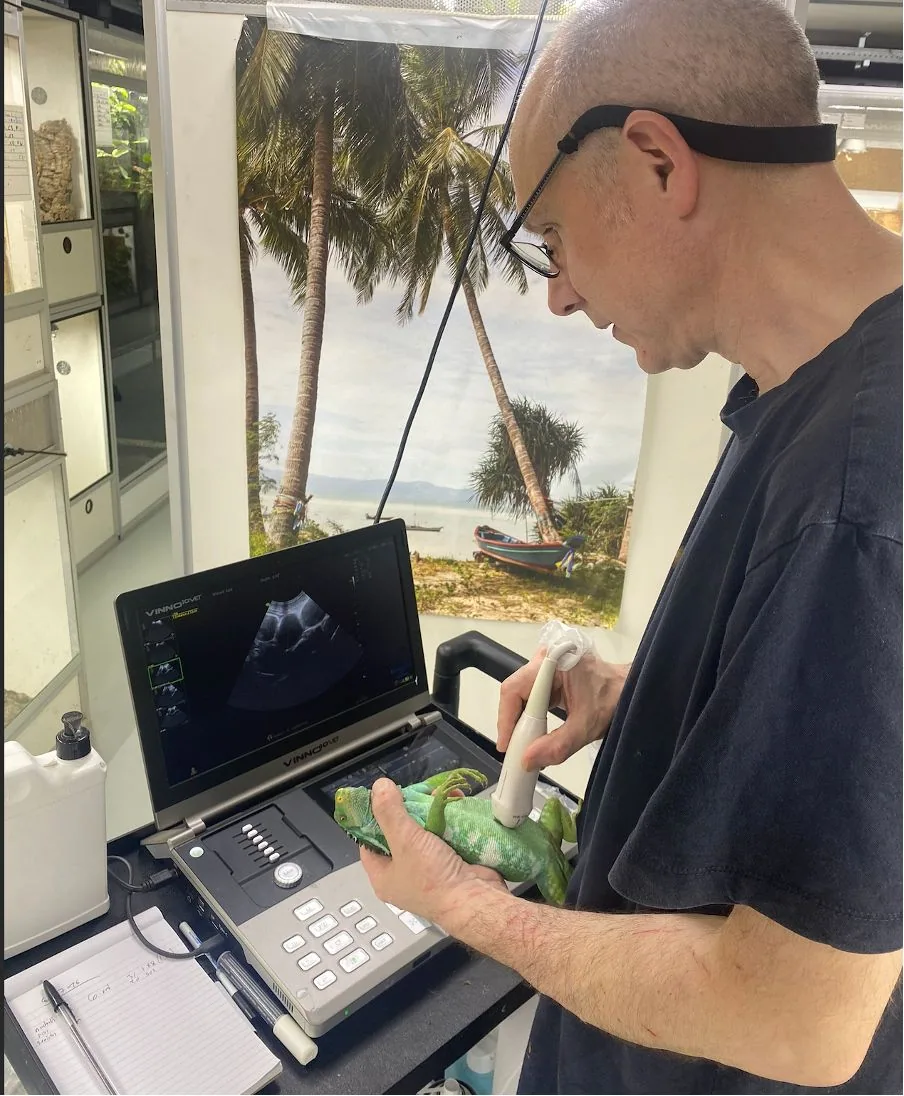
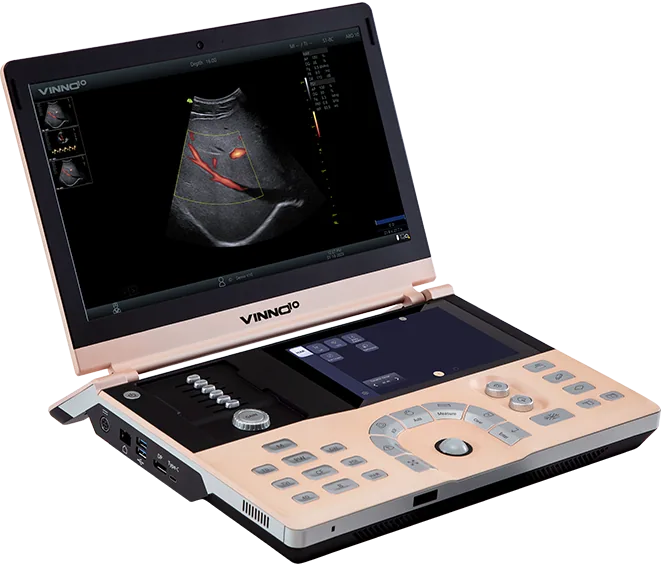
We have invested in a high-quality Vinno ultrasound machine — a professional-grade diagnostic tool more commonly found in veterinary clinics than private reptile collections. Ultrasound imaging (USG) gives us a non-invasive window into reproductive status, organ health, and overall condition that simply cannot be obtained any other way.

Performing an ultrasound scan on a Fiji iguana with the Vinno machine
SCANNING A FIJI IGUANA · VINNO VET

How we use it

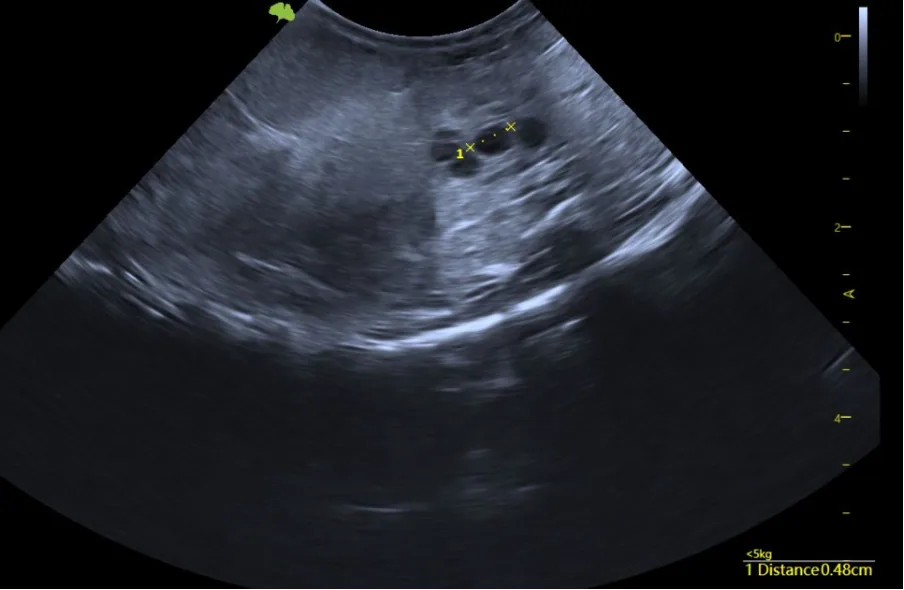
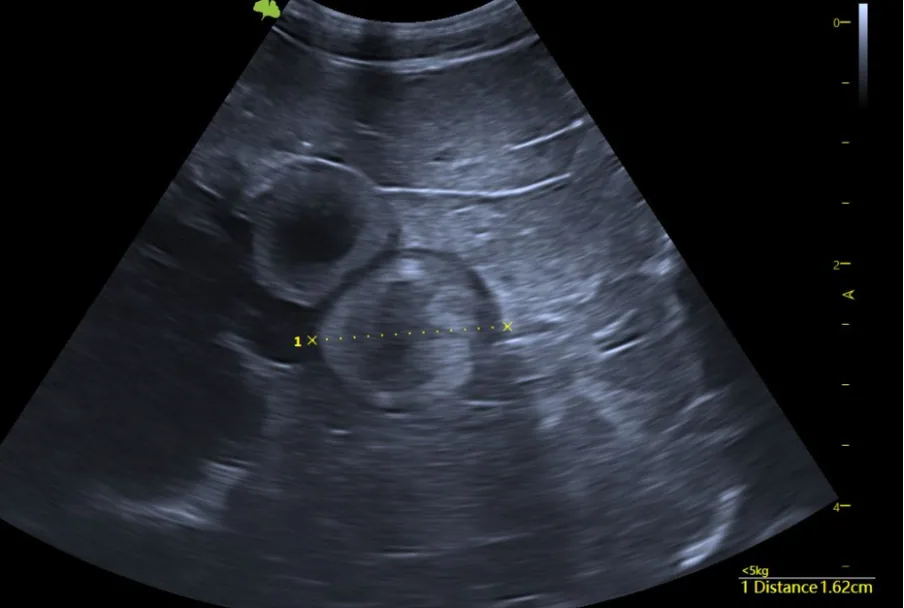
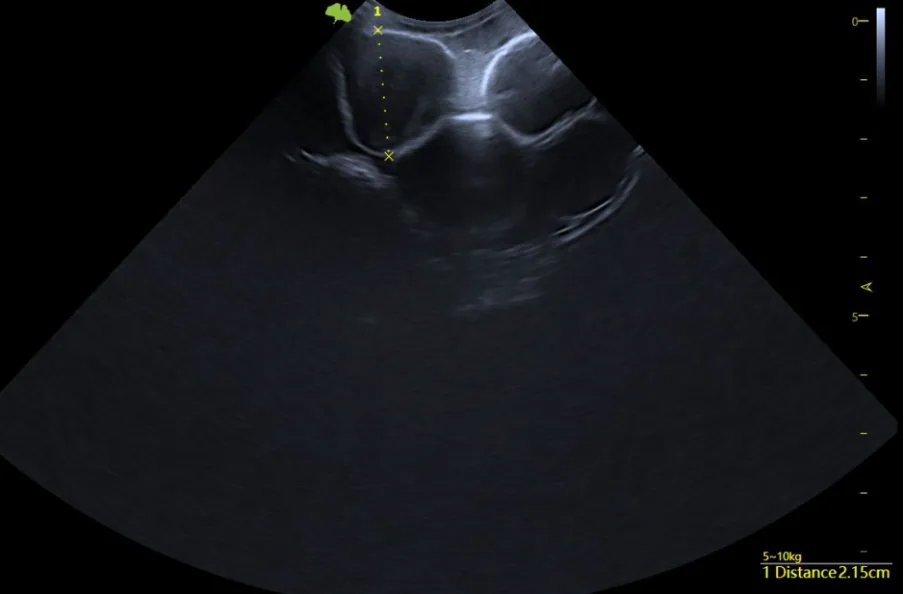
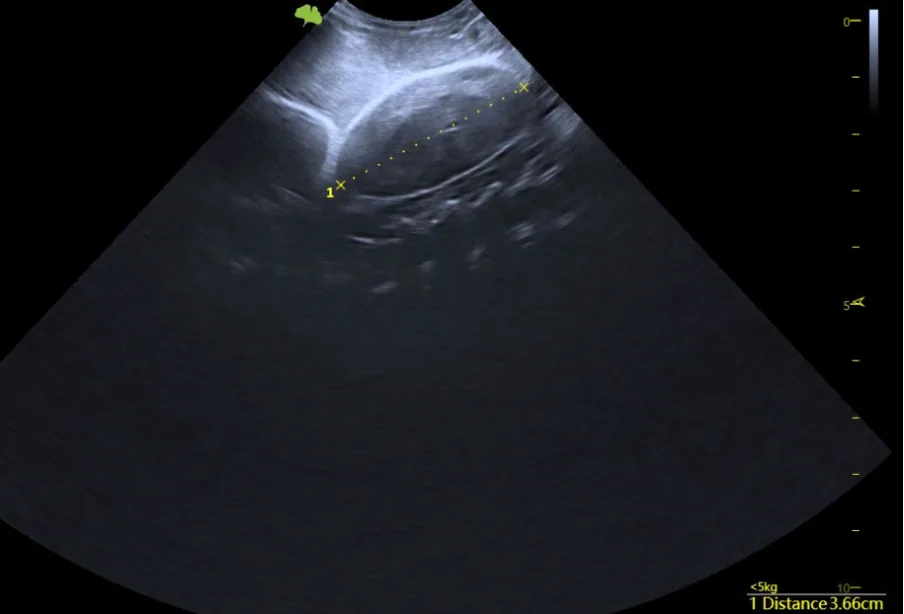
Our primary use is reproductive monitoring — tracking follicle development as females move into breeding condition at the start of each season. Visualising this in real time lets us time pairings accurately, anticipate ovulation, and manage the health of our breeding females with a precision guesswork cannot match.

Beyond reproduction, we carry out cardiovascular scans and soft-tissue assessments where clinically indicated — investigating a concern, monitoring a recovering animal, or as part of a thorough health check on a high-value specimen.

A genuine skill

Producing a useful ultrasound image of a reptile takes real expertise — knowing where to position the probe, how to angle the transducer for each species and body region, and how to interpret what appears on screen. It takes considerable practice and hands-on experience. Over the years we have accumulated exactly that, and our images consistently provide clear, diagnostically useful information across a wide range of species.

— FROM THE SCANNER —
Stage 2 · Early Vitellogenesis
Varanus macraei
Stage 3 · Mid Vitellogenesis
Cyclura cychlura figginsi
Stage 4 · Late Vitellogenesis / Pre-Ovulatory
Brachylophus vitiensis
Stage 5 · Post-Ovulatory / Oviductal Eggs
Brachylophus vitiensis
— WATCH —
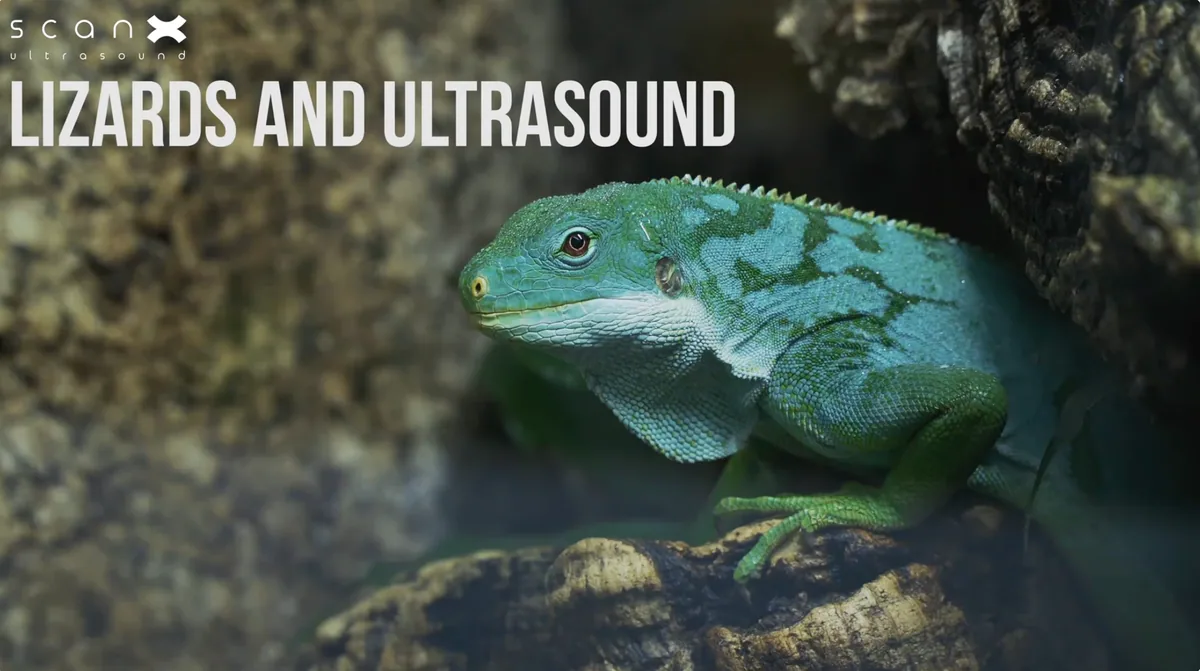
Lizards and Ultrasound — watch on YouTubeWATCH ON YOUTUBE →
— AI STAGING PLATFORM

A bespoke AI platform reads each scan and assigns a reproductive stage.

Developed in-house, our Ultrasound Reproductive Staging Rubric analyses scan images and assigns each animal to one of six defined stages — taking the subjectivity out of interpretation and providing a consistent, evidence-based assessment of exactly where a female is in her cycle.

1
STAGE 1
Inactive / Non-Reproductive
2
STAGE 2
Early Vitellogenesis
3
STAGE 3
Mid Vitellogenesis
4
STAGE 4
Late Vitellogenesis / Pre-Ovulatory
5
STAGE 5
Post-Ovulatory / Oviductal Eggs
6
STAGE 6
Eggs Laid / Post-Oviposition
Vinno portable veterinary ultrasound machine

Image archive & timeline tracking

Every scan is stored online against a timestamped timeline for each individual animal. Images are never lost, and we can compare scans across seasons, breeding cycles, or health events.

Watching follicle development progress from Stage 1 through to Stage 6 across a season provides insights a single isolated scan cannot offer. For long-term breeding projects, this longitudinal record becomes an increasingly valuable resource with each passing year.

— OPEN TO EXTERNAL CLIENTS

Scanning services for fellow keepers & breeders.

Want to know if your female is developing follicles, confirm a post-ovulatory status, check egg counts before laying, or simply get a clearer picture of what is happening inside your animal? Bring her to us — we can help. Each scan includes interpretation through our AI staging platform and a record stored to your animal's digital timeline.

€50
PER ANIMAL · INCL. AI STAGING & ARCHIVE
— DNA SEXING PROJECT

It's all in the DNA.

DNA double helix

DNA Sexing Service — Molecular sex determination for reptiles

Accurately determining the sex of a reptile is one of the most fundamental challenges in herpetoculture. For many species — particularly small lizards, hatchlings, and juveniles — conventional methods such as visual inspection, probing, or popping are unreliable, stressful, or simply impossible. Even experienced keepers can make mistakes, and with high-value animals or carefully planned breeding projects, a misidentified sex can mean lost seasons and wasted effort.

We are in the process of setting up a professional molecular DNA sexing service that removes all of that uncertainty entirely — providing a definitive, laboratory-grade result from nothing more than a small sample of sloughed skin.

— HOW IT WORKS

From a single shed skin.

The process is straightforward for the animal and for the keeper. All that is required is a small piece of naturally shed skin — no invasive procedures, no stress, no handling beyond what is normal. This shed skin contains sufficient cellular material for us to extract and quantify DNA, which is then analysed using quantitative PCR (qPCR) to detect the presence or absence of sex-specific genetic sequences.

The result is a precise, highly accurate determination of the animal's sex at the molecular level — the same methodology used in research and clinical diagnostic laboratories worldwide.

— NON-INVASIVE

Collected at home.

The sample collection process is entirely non-invasive and can be carried out by the keeper at home, with the shed skin simply sent to us for processing. This makes the service accessible to anyone, regardless of experience level or the species they keep.

DNA Sexing — Workflow

From shed skin sample to confirmed sex result

Shed skin
Non-invasive sample
DNA extraction
DeNovix DS-11 FX+
qPCR analysis
Bio-Rad CFX Opus DX
Sex confirmed
Definitive result

From a small piece of naturally sloughed skin to a laboratory-grade result.

— OUR EQUIPMENT

Laboratory grade from the ground up.

We have invested in two of the most respected instruments available for molecular diagnostic work, ensuring that every result we produce meets the highest possible standard of accuracy and reliability.

DeNovix DS-11 FX+
Spectrophotometer / Fluorometer
Sample volume0.5 – 1.0 µL
DNA range0.75 – 37,500 ng/µL
Fluoro sensitivity0.0005 ng/µL
Result time< 3 seconds

Quantifies and verifies DNA purity from shed skin before analysis. No recalibration required.

Bio-Rad CFX Opus DX
Real-Time PCR System
Well capacity96 wells per run
MultiplexingUp to 5 targets
Temp uniformity±0.3°C well-to-well
RegulatoryEU IVD compliant

Detects sex-specific genetic sequences with diagnostic-grade precision. Cloud data management via BR.io.

Together, these two instruments form a professional molecular biology pipeline that is more commonly found in a university research laboratory or clinical diagnostic facility than a private reptile collection — and that is precisely the point. When the sex of your animal matters, the answer should come from equipment and methodology you can trust completely.

— WHY IT MATTERS

Why this service matters.

Many of the species we work with — and that our clients keep — are simply impossible to sex reliably by conventional means. Hatchling and juvenile lizards of countless species show no external sexual dimorphism whatsoever. Even in adults, subtle species require experienced eyes and often still leave room for doubt. For rare species, high-value breeding animals, and anyone building a serious collection or project, that doubt is not acceptable. DNA sexing eliminates it.

The service is also invaluable for:

  • ◆Hatchlings and juveniles where physical sexing is impossible or inaccurate
  • ◆Species with no reliable external sexual dimorphism at any age
  • ◆Confirming the sex of animals purchased as adults where previous sexing may have been incorrect
  • ◆Optimising breeding groups to ensure the correct sex ratio before investing in long-term housing
  • ◆Research and conservation applications requiring non-invasive, accurate sex determination

DNA Sexing — Who is this service for?

Molecular sexing solves problems that conventional methods cannot.

◆
Hatchlings & juveniles
Physical sexing is impossible at this age in many species — DNA sexing works at any life stage.
◆
No external dimorphism
Species where males and females are visually identical, regardless of age or condition.
◆
Confirm purchased animals
Verify the sex of animals where previous sexing may have been inaccurate or uncertain.
◆
Breeding group planning
Optimise sex ratios and confirm pairings before investing in long-term housing and management.
— OPEN TO EXTERNAL CLIENTS

A sample of shed skin is all we need.

We will offer DNA sexing as a service to any keeper, breeder, or researcher who requires it. All that is needed is a sample of clean, recently shed skin — we handle everything from DNA extraction through to result reporting. If you would like to be kept informed of when this service launches, or have a specific enquiry about a species, please get in touch with us.